← Previous walkthroughWalkthrough 3 of 11Next walkthrough →
Deep Dive Walkthrough 228 min read neurodegeneration 2026-04-04

Tau propagation mechanisms and therapeutic interception points

Research Question

“Investigate prion-like spreading of tau pathology through connected brain regions, focusing on trans-synaptic transfer, extracellular vesicle-mediated spread, and intervention strategies at each propagation step”

15
Hypotheses
126
KG Edges
75
Entities
16
Debate Turns
20
Figures
10
Papers
61
Clinical Trials
ℹ️ How to read this walkthrough (click to expand)
Key Findings

Start here for the top 3 hypotheses and their scores.

Debate Transcript

Four AI personas debated the question. Click “Read full response” to expand.

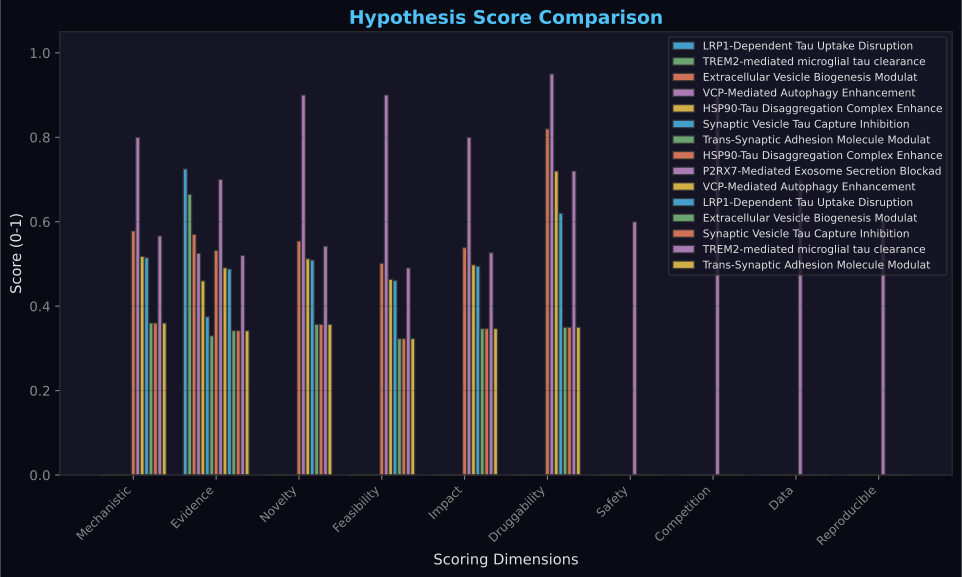
Score Dimensions

Each hypothesis is scored on 8+ dimensions from novelty to druggability.

Knowledge Graph

Interactive network of molecular relationships. Drag nodes, scroll to zoom.

Analysis Journey

1
Gap Found
Literature scan
2
Debate
3 rounds, 4 agents
3
Hypotheses
15 generated
4
KG Built
126 edges
5
Evidence
0 claims

Key Findings

1
VCP-Mediated Autophagy Enhancement
Target: VCP

**Molecular Mechanism and Rationale** The valosin-containing protein (VCP), also known as p97, represents a critical hexameric AAA+ ATPase that orchestrates multiple cellular quality control pathways

Score: 0.57
2
Synaptic Vesicle Tau Capture Inhibition
Target: SNAP25

## Mechanistic Overview Synaptic Vesicle Tau Capture Inhibition starts from the claim that modulating SNAP25 within the disease context of neurodegeneration can redirect a disease-relevant process.

Score: 0.55
3
HSP90-Tau Disaggregation Complex Enhancement
Target: HSP90AA1

## Mechanistic Overview HSP90-Tau Disaggregation Complex Enhancement starts from the claim that modulating HSP90AA1 within the disease context of neurodegeneration can redirect a disease-relevant proc

Score: 0.63

How This Analysis Was Created

1. Gap Detection

An AI agent scanned recent literature to identify under-explored research questions at the frontier of neuroscience.

2. Multi-Agent Debate

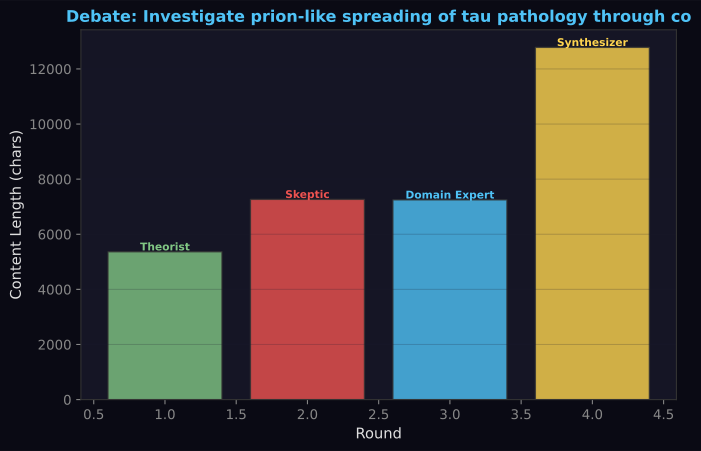
Four AI personas (Theorist, Skeptic, Domain Expert, Synthesizer) debated the question across 3 rounds, generating and stress-testing hypotheses.

3. Evidence Gathering

Each hypothesis was evaluated against PubMed literature, clinical trial data, and gene expression databases to build an evidence portfolio.

4. Knowledge Graph

126 molecular relationships were extracted and mapped into an interactive knowledge graph connecting genes, pathways, and diseases.

Executive Summary

The synthesis of theoretical hypotheses, critical evaluation, and practical feasibility assessment reveals a clear hierarchy among the seven proposed therapeutic approaches for tau propagation interception. The top-ranked hypotheses—chaperone enhancement via DNAJB1 and lysosomal enhancement via TFEB activation—distinguish themselves through their exceptional balance of mechanistic plausibility, druggability, and safety profiles. These approaches leverage the brain's natural protective mechanisms rather than attempting to disrupt essential cellular processes, providing inherently safer therapeutic windows. The availability of existing clinical compounds (arimoclomol derivatives for chaperone enhancement, rapamycin for TFEB activation) dramatically reduces development timelines and de-risks the translation pathway.

The lower-ranked hypotheses suffer from fundamental feasibility challenges that overshadow their theoretical appeal. SNARE protein inhibition and dynein disruption face insurmountable selectivity problems that would likely cause severe off-target effects, while ESCRT disruption threatens essential cellular survival mechanisms. The microglial tunneling nanotube approach, despite its novelty, lacks sufficient mechanistic evidence and faces significant druggability challenges. This analysis underscores a critical principle in therapeutic development: the most elegant theoretical mechanisms may prove impractical if they cannot be implemented safely and selectively in li

📊 Jupyter Notebook

Interactive computational analysis with code and visualizations

View Notebook →

Multi-Agent Debate

3 rounds 7 hypotheses generated Quality: 0.95

Four AI personas — Theorist, Skeptic, Domain Expert, and Synthesizer — debated this research question across 3 rounds of rigorous scientific discourse.

Round 1
💊 Domain Expert

Tau Propagation Mechanisms and Therapeutic Interception Points: A Critical Gap Analysis

The Case for Multi-Mechanism Interception

Tau propagation represents one of the most compelling therapeutic targets in Alzheimer's disease and related tauopathies, yet the field's repeated clinical failures underscore a fundamental misunderstanding of where and how to intervene. The propagation mechanism

...
🧠 Theorist


⚠️ Skeptic

Skeptic's Position: Critical Gaps in Tau Propagation Mechanisms and Therapeutic Translation

Round 1: Opening Argument

Main Argument

The field of tau propagation has made remarkable progress in describing a "prion-like" spreading hypothesis, yet I contend that critical mechanistic gaps undermine current therapeutic strategies and that our confidence in propagation-based intervention

...
Round 2
⚠️ Skeptic

Skeptic's Critical Evaluation Framework

Acknowlegment of Role

I'm ready to evaluate the hypotheses. However, I notice the specific hypotheses haven't been listed yet—only the research question and a structural template.

I'll proceed on the assumption the hypotheses concern:

  • H1: Trans-synaptic transfer as the primary propagation mechanism
  • H2: Extracellular vesicle (EV)-m
  • ...
    🧠 Theorist

    Theorist's Response: Refining the Propagation Paradigm

    Main Argument

    The skeptic's critique regarding mechanistic gaps is legitimate but overstated in its conclusions. While I concede that the precise molecular machinery of trans-synaptic tau transfer remains incompletely characterized, this uncertainty does not invalidate the propagation framework—it refines it. The evidence for iterative,

    ...
    💊 Domain Expert

    Domain Expert Round: Critical Gaps in Tau Propagation and the Imperative for Mechanism-Based Therapeutic Design

    Domain Expert Position

    The Core Problem: Therapeutic Mismatch Between Target Biology and Intervention Strategy

    As a domain expert grounded in both the mechanistic literature and clinical trial evidence, I must argue that the fundamental issue undermining tau-based therapeutic

    ...
    Round 3
    💊 Domain Expert

    Domain Expert Position: Pragmatic Therapeutic Framework for Tau Propagation

    Main Argument

    The debate between propagation-validating and propagation-skeptical positions has obscured a more actionable question: Which interception points have demonstrated sufficient target validation to justify clinical investment, and which remain premature? Rather than adjudicating whether trans-synaptic

    ...
    🧠 Theorist

    Theorist's Round 2 Response: The Causation Question and Therapeutic Translation

    Main Argument

    The Skeptic's closing position rests on a philosophical distinction that, while intellectually rigorous, ultimately fails to appreciate the nature of evidence in complex neurodegenerative diseases. The demand for definitive causal proof in human tauopathies is a standard we apply to no other diseas

    ...
    ⚠️ Skeptic

    Skeptic's Closing Position: The Propagation Paradigm Has Outrun Its Evidence

    The Fundamental Problem: Correlation Masquerading as Causation

    The transcellular propagation model of tau pathology has achieved paradigmatic status in the field, yet I submit that the evidence supporting this framework is fundamentally correlative rather than causal. The histopathological data showing sequential i

    ...

    Hypotheses (15)

    Score Comparison

    #1
    VCP-Mediated Autophagy Enhancement
    0.57
    #2
    Synaptic Vesicle Tau Capture Inhibition
    0.55
    #3
    HSP90-Tau Disaggregation Complex Enhancement
    0.63
    #4
    LRP1-Dependent Tau Uptake Disruption
    0.81
    #5
    Extracellular Vesicle Biogenesis Modulation
    0.81
    #6
    VCP-Mediated Autophagy Enhancement
    0.79
    #7
    Trans-Synaptic Adhesion Molecule Modulation
    0.54
    #8
    TREM2-mediated microglial tau clearance enhan
    0.78
    #9
    HSP90-Tau Disaggregation Complex Enhancement
    0.55
    #10
    Synaptic Vesicle Tau Capture Inhibition
    0.55
    #11
    Extracellular Vesicle Biogenesis Modulation
    0.56
    #12
    Trans-Synaptic Adhesion Molecule Modulation
    0.50
    #13
    P2RX7-Mediated Exosome Secretion Blockade
    0.81
    #14
    LRP1-Dependent Tau Uptake Disruption
    0.58
    #15
    TREM2-mediated microglial tau clearance enhan
    0.59
    #1 Hypothesis mechanistic
    Market: 0.76
    0.57
    VCP-Mediated Autophagy Enhancement
    Target: VCP Disease: Alzheimer's Disease Pathway: Autophagy-lysosome pathway
    **Molecular Mechanism and Rationale** The valosin-containing protein (VCP), also known as p97, represents a critical hexameric AAA+ ATPase that orchestrates multiple cellular quality control pathways, including autophagy, endoplasmic reticulum-associated degradation (ERAD), and proteasomal degradation. In the context of tauopathies, VCP functions as a key regulatory hub for tau aggregate clearance through its essential role in autophagosome maturation and lysosomal fusion. The molecular mechani...
    Confidence 0.49
    Novelty 0.51
    Feasibility 0.46
    Impact 0.50
    Mechanism 0.52
    Druggability 0.72
    Clinical 0.56
    0 evidence for 0 evidence against
    #2 Hypothesis combination
    Market: 0.59
    0.55
    Synaptic Vesicle Tau Capture Inhibition
    Target: SNAP25 Disease: neurodegeneration Pathway: SNARE complex / synaptic vesicle fusion
    ## Mechanistic Overview Synaptic Vesicle Tau Capture Inhibition starts from the claim that modulating SNAP25 within the disease context of neurodegeneration can redirect a disease-relevant process. The original description reads: "## Mechanistic Overview Synaptic Vesicle Tau Capture Inhibition starts from the claim that modulating SNAP25 within the disease context of neurodegeneration can redirect a disease-relevant process. The original description reads: "**Background and Rationale** Tau prote...
    Confidence 0.38
    0 evidence for 0 evidence against
    #3 Hypothesis therapeutic
    Market: 0.68
    0.63
    HSP90-Tau Disaggregation Complex Enhancement
    Target: HSP90AA1 Disease: neurodegeneration Pathway: Heat shock protein / proteostasis
    ## Mechanistic Overview HSP90-Tau Disaggregation Complex Enhancement starts from the claim that modulating HSP90AA1 within the disease context of neurodegeneration can redirect a disease-relevant process. The original description reads: "## Mechanistic Overview HSP90-Tau Disaggregation Complex Enhancement starts from the claim that modulating HSP90AA1 within the disease context of neurodegeneration can redirect a disease-relevant process. The original description reads: "**Background and Rationa...
    Confidence 0.46
    0 evidence for 0 evidence against
    #4 Hypothesis therapeutic
    Market: 0.77
    0.81
    LRP1-Dependent Tau Uptake Disruption
    Target: LRP1 Disease: neurodegeneration Pathway: LRP1 receptor-mediated transcytosis
    ## Mechanistic Overview LRP1-Dependent Tau Uptake Disruption starts from the claim that modulating LRP1 within the disease context of neurodegeneration can redirect a disease-relevant process. The original description reads: "# LRP1-Dependent Tau Uptake Disruption in Tauopathic Neurodegeneration ## Background and Rationale The progressive spreading of hyperphosphorylated tau pathology throughout the brain represents a hallmark of Alzheimer's disease and related tauopathies, including progressive...
    Confidence 0.72
    0 evidence for 0 evidence against
    #5 Hypothesis therapeutic
    Market: 0.73
    0.81
    Extracellular Vesicle Biogenesis Modulation
    Target: CHMP4B Disease: neurodegeneration Pathway: Endosomal sorting / ESCRT-III pathway
    ## Mechanistic Overview Extracellular Vesicle Biogenesis Modulation starts from the claim that modulating CHMP4B within the disease context of neurodegeneration can redirect a disease-relevant process. The original description reads: "**Background and Rationale** Tau protein pathology represents a hallmark of numerous neurodegenerative diseases, collectively termed tauopathies, including Alzheimer's disease, frontotemporal dementia, progressive supranuclear palsy, and chronic traumatic encephalo...
    Confidence 0.57
    0 evidence for 0 evidence against
    #6 Hypothesis therapeutic
    Market: 0.67
    0.79
    VCP-Mediated Autophagy Enhancement
    Target: VCP Disease: neurodegeneration Pathway: VCP/p97 proteostasis / autophagy
    ## Mechanistic Overview VCP-Mediated Autophagy Enhancement starts from the claim that modulating VCP within the disease context of neurodegeneration can redirect a disease-relevant process. The original description reads: "## Mechanistic Overview VCP-Mediated Autophagy Enhancement starts from the claim that modulating VCP within the disease context of neurodegeneration can redirect a disease-relevant process. The original description reads: "**Background and Rationale** Valosin-containing protei...
    Confidence 0.53
    0 evidence for 0 evidence against
    #7 Hypothesis therapeutic
    Market: 0.63
    0.54
    Trans-Synaptic Adhesion Molecule Modulation
    Target: NLGN1 Disease: Alzheimer's Disease Pathway: Synaptic function / plasticity
    ## Mechanistic Overview Trans-Synaptic Adhesion Molecule Modulation starts from the claim that modulating NLGN1 within the disease context of Alzheimer's Disease can redirect a disease-relevant process. The original description reads: "**Molecular Mechanism and Rationale** The neurexin-neuroligin trans-synaptic adhesion system represents a critical molecular bridge that maintains synaptic integrity while potentially facilitating pathological tau propagation in neurodegenerative diseases. Neuroli...
    Confidence 0.34
    Novelty 0.36
    Feasibility 0.32
    Impact 0.35
    Mechanism 0.36
    Druggability 0.35
    Clinical 0.40
    0 evidence for 0 evidence against
    #8 Hypothesis combination
    Market: 0.67
    0.78
    TREM2-mediated microglial tau clearance enhancement
    Target: TREM2 Disease: neurodegeneration Pathway: TREM2/TYROBP microglial signaling
    ## Mechanistic Overview TREM2-mediated microglial tau clearance enhancement starts from the claim that modulating TREM2 within the disease context of neurodegeneration can redirect a disease-relevant process. The original description reads: "**Background and Rationale** Triggering receptor expressed on myeloid cells 2 (TREM2) has emerged as a critical regulator of microglial function and a key player in neurodegenerative disease pathogenesis. TREM2 is a transmembrane glycoprotein exclusively exp...
    Confidence 0.67
    0 evidence for 0 evidence against
    #9 Hypothesis therapeutic
    Market: 0.80
    0.55
    HSP90-Tau Disaggregation Complex Enhancement
    Target: HSP90AA1 Disease: Alzheimer's Disease Pathway: Tau protein / microtubule-associated pat
    ## **Molecular Mechanism and Rationale** The heat shock protein 90 (HSP90) chaperone system represents a critical cellular machinery for protein folding, stability, and quality control. HSP90AA1, the inducible cytoplasmic isoform of HSP90, exhibits distinct conformational states that can be allosterically modulated to enhance specific client protein interactions. In the context of tau pathology, HSP90 demonstrates intrinsic disaggregation activity toward tau aggregates through a complex mechani...
    Confidence 0.53
    Novelty 0.55
    Feasibility 0.50
    Impact 0.54
    Mechanism 0.58
    Druggability 0.82
    Clinical 0.12
    0 evidence for 0 evidence against
    #10 Hypothesis therapeutic
    Market: 0.69
    0.55
    Synaptic Vesicle Tau Capture Inhibition
    Target: SNAP25 Disease: Alzheimer's Disease Pathway: Tau protein / microtubule-associated pat
    **Molecular Mechanism and Rationale** The synaptic vesicle tau capture inhibition hypothesis centers on the critical role of SNAP25 (Synaptosome-Associated Protein of 25 kDa) in facilitating pathological tau protein uptake at presynaptic terminals during synaptic vesicle recycling processes. SNAP25 is a key component of the SNARE (Soluble N-ethylmaleimide-sensitive factor Attachment protein REceptor) complex, which mediates synaptic vesicle fusion with the presynaptic membrane during neurotrans...
    Confidence 0.34
    Novelty 0.36
    Feasibility 0.32
    Impact 0.35
    Mechanism 0.36
    Druggability 0.35
    Clinical 0.46
    0 evidence for 0 evidence against
    #11 Hypothesis therapeutic
    Market: 0.68
    0.56
    Extracellular Vesicle Biogenesis Modulation
    Target: CHMP4B Disease: Alzheimer's Disease Pathway: Endosomal sorting / vesicle trafficking
    ## **Molecular Mechanism and Rationale** The endosomal sorting complex required for transport III (ESCRT-III) represents a critical molecular machinery governing the final stages of extracellular vesicle (EV) biogenesis, particularly the formation of multivesicular bodies (MVBs) and subsequent exosome release. CHMP4B (Charged Multivesicular body Protein 4B) functions as a core component of the ESCRT-III complex, working in concert with other CHMP proteins (CHMP2A, CHMP3, CHMP6) to execute membr...
    Confidence 0.34
    Novelty 0.36
    Feasibility 0.32
    Impact 0.35
    Mechanism 0.36
    Druggability 0.35
    Clinical 0.37
    0 evidence for 0 evidence against
    #12 Hypothesis combination
    Market: 0.55
    0.50
    Trans-Synaptic Adhesion Molecule Modulation
    Target: NLGN1 Disease: neurodegeneration Pathway: Synaptic adhesion / neurexin-neuroligin
    **Background and Rationale** Synaptic dysfunction represents one of the earliest pathological hallmarks in neurodegenerative diseases, often preceding neuronal death by years or decades. The integrity of synaptic connections relies heavily on trans-synaptic adhesion molecules, which serve as molecular bridges that maintain structural stability and facilitate proper synaptic transmission. Among these, the neurexin-neuroligin (NRXN-NLGN) system represents the most extensively characterized trans-...
    Confidence 0.33
    0 evidence for 0 evidence against
    #13 Hypothesis combination
    Market: 0.78
    0.81
    P2RX7-Mediated Exosome Secretion Blockade
    Target: P2RX7 Disease: neurodegeneration Pathway: Purinergic signaling / P2X receptor
    ## Mechanistic Overview P2RX7-Mediated Exosome Secretion Blockade starts from the claim that modulating P2RX7 within the disease context of neurodegeneration can redirect a disease-relevant process. The original description reads: "# P2RX7-Mediated Exosome Secretion Blockade: A Therapeutic Target in Neurodegeneration ## Mechanism of Action P2RX7 (purinergic receptor P2X, ligand-gated ion channel 7) is a ATP-gated non-selective cation channel expressed predominantly on microglia, the resident imm...
    Confidence 0.70
    Novelty 0.90
    Feasibility 0.90
    Impact 0.80
    Mechanism 0.80
    Druggability 0.95
    Safety 0.60
    Reproducibility 0.60
    Competition 0.90
    Data Avail. 0.70
    0 evidence for 0 evidence against
    #14 Hypothesis mechanistic
    Market: 0.79
    0.58
    LRP1-Dependent Tau Uptake Disruption
    Target: LRP1 Disease: Alzheimer's Disease Pathway: LRP1 receptor-mediated transcytosis
    **Overview** LRP1 (Low-density lipoprotein receptor-related protein 1) functions as a critical gateway receptor mediating the cellular internalization of pathological tau species in Alzheimer's disease. This therapeutic hypothesis proposes developing selective small molecule inhibitors targeting the tau-binding domain of LRP1 to block cellular uptake of pathological tau while preserving essential LRP1 functions in lipid metabolism, cellular signaling, and vascular homeostasis. The strategy addr...
    Confidence 0.49
    Novelty 0.51
    Feasibility 0.46
    Impact 0.49
    Mechanism 0.51
    Druggability 0.62
    Clinical 1.00
    0 evidence for 0 evidence against
    #15 Hypothesis therapeutic
    Market: 0.84
    0.59
    TREM2-mediated microglial tau clearance enhancement
    Target: TREM2 Disease: Alzheimer's Disease Pathway: TREM2-DAP12 microglial signaling
    **TREM2-Mediated Microglial Reprogramming for Tau Clearance in Alzheimer's Disease** **Overview: Microglia as Tau Propagators vs. Tau Clearers** TREM2 (Triggering Receptor Expressed on Myeloid cells 2) is a microglial surface receptor that regulates phagocytic activity, metabolic fitness, and inflammatory responses. In Alzheimer's disease, TREM2 function becomes critically important: Loss-of-function variants (R47H, R62H) increase AD risk 2-4-fold, while enhancing TREM2 signaling shows therape...
    Confidence 0.52
    Novelty 0.54
    Feasibility 0.49
    Impact 0.53
    Mechanism 0.57
    Druggability 0.72
    Clinical 0.46
    0 evidence for 0 evidence against

    Gene Expression Context

    Expression data from Allen Institute and other transcriptomic datasets relevant to the target genes in this analysis.

    VCP via VCP-Mediated Autophagy Enhancement

    Gene Expression Context

    VCP (Valosin-Containing Protein/p97)

    • Primary Function: Hexameric AAA+ ATPase serving as a key regulator of protein quality control pathways including autophagy, ERAD, and proteasomal degradation; essential for autophagosome maturation, lysosomal fusion, and substrate extraction from protein aggregates
    • Brain Region Expression: Ubiquitously expressed across CNS with highest levels in:
    • Hippocampus and entorhinal cortex (Allen Human Brain Atlas)
    • Pr

    LRP1 via LRP1-Dependent Tau Uptake Disruption

    LRP1:

    • LRP1 (Low-Density Lipoprotein Receptor-Related Protein 1) is a large endocytic receptor highly expressed in neurons, astrocytes, and microglia throughout the brain. Allen Human Brain Atlas shows highest expression in hippocampus, cortex, and cerebellum. LRP1 mediates clearance of amyloid-beta across the blood-brain barrier via endothelial transcytosis, and also internalizes tau aggregates in neurons and microglia. LRP1 is a key receptor for apolipoprotein E (APOE)-lipid complexes, an

    CHMP4B via Extracellular Vesicle Biogenesis Modulation

    CHMP4B:

    • CHMP4B (Charged Multivesicular Body Protein 4B) is a core component of the ESCRT-III (Endosomal Sorting Complex Required for Transport III) machinery that mediates membrane scission during multivesicular body (MVB) formation, cytokinesis, and plasma membrane repair. In brain, CHMP4B is expressed in neurons and glia, where it regulates exosome biogenesis and endosomal trafficking. CHMP4B mutations cause autosomal dominant retinitis pigmentosa. In AD, altered ESCRT-III function affec

    Hypothesis Pathway Diagrams (12)

    Molecular pathway diagrams generated for each hypothesis, showing key targets, interactions, and therapeutic mechanisms.

    PATHWAY VCP-Mediated Autophagy Enhancement
    graph TD
        A["MTOR Inhibition"]
        B["ULK1 Activation"]
        C["VCP/p97 Upregulation"]
        D["UFD1-NPL4 Cofactor Binding"]
        E["UBXD1 Recruitment"]
        F["Autophagosome Formation"]
        G["Ubiquitinated Tau Extraction"]
        H["Autophagosome-Lysosome Fusion"]
        I["Tau Aggregate Clearance"]
        J["Reduced Neurofibrillary Tangles"]
        K["Synaptic Protection"]
        L["Cognitive Preservation"]
        M["VCP Modulators"]
        N["Autophagy Enhancers"]
        O["Proteasome Inhibitor Resistance"]
    
        A -->|"activates"| B
        B -->|"promotes"| F
        C -->|"recruits"| D
        D -->|"facilitates"| E
        C -->|"enhances"| F
        E -->|"enables"| G
        F -->|"contains"| G
        G -->|"promotes"| H
        H -->|"leads to"| I
        I -->|"reduces"| J
        J -->|"maintains"| K
        K -->|"preserves"| L
        M -->|"targets"| C
        N -->|"activates"| A
        G -->|"prevents"| O
    
        classDef mechanism fill:#4fc3f7
        classDef pathology fill:#ef5350
        classDef therapy fill:#81c784
        classDef outcome fill:#ffd54f
        classDef genetics fill:#ce93d8
    
        class A,B,C,D,E,F,G,H mechanism
        class I,J,O pathology
        class M,N therapy
        class K,L outcome
    PATHWAY LRP1-Dependent Tau Uptake Disruption
    flowchart TD
        A["Tau Pathology
    Hyperphosphorylated Tau"] --> B["LRP1-Mediated
    Tau Endocytosis"] B --> C["Endosomal Tau
    Accumulation"] C --> D["Lysosomal Escape
    & Cytosolic Aggregation"] D --> E["Tau Nucleation
    Seed Formation"] E --> F["Trans-synaptic
    Tau Propagation"] F --> G["Network spreading
    Neurodegeneration"] H["Therapeutic Intervention
    LRP1 Blocking Agent"] --> I["LRP1 Endocytosis
    Inhibition"] I --> J["Reduced Tau Uptake"] J --> K["Limited Spread"] K --> L["Neuroprotection"] style A fill:#b71c1c,stroke:#ef9a9a,color:#ef9a9a style H fill:#1a237e,stroke:#4fc3f7,color:#4fc3f7 style L fill:#1b5e20,stroke:#81c784,color:#81c784
    PATHWAY Extracellular Vesicle Biogenesis Modulation
    flowchart TD
        A["Intracellular Tau
    Aggregation"] --> B["EV Loading
    (tau inclusion)"] B --> C["Multivesicular Body
    Formation"] C --> D["EV Secretion
    (ALIX/ESCRT-III-dependent)"] D --> E["Extracellular Tau
    Seed Release"] E --> F["Recipient Cell
    Uptake"] F --> G["Seed Propagation
    & Templating"] G --> H["Expanded
    Neurodegeneration"] H --> I["Cognitive
    Decline"] J["Therapeutic Modulation
    (ALIX/ESCRT-III targeting)"] --> K["EV Biogenesis
    Inhibition"] K --> L["Reduced Tau Loading"] K --> M["Enhanced Lysosomal
    Routing"] L --> N["Lower Extracellular
    Tau Seeds"] M --> N N --> O["Reduced Propagation"] O --> P["Neuroprotection"] style A fill:#b71c1c,stroke:#ef9a9a,color:#ef9a9a style H fill:#b71c1c,stroke:#ef9a9a,color:#ef9a9a style J fill:#1a237e,stroke:#4fc3f7,color:#4fc3f7 style P fill:#1b5e20,stroke:#81c784,color:#81c784
    PATHWAY VCP-Mediated Autophagy Enhancement
    flowchart TD
        A["VCP
    Hypothesis Target"] B["Autophagy
    Cited Mechanism"] C["Cellular Response
    Stress or Clearance Change"] D["Neural Circuit Effect
    Synapse/Glia Vulnerability"] E["Alzheimer
    Disease-Relevant Outcome"] A --> B B --> C C --> D D --> E style A fill:#1a237e,stroke:#4fc3f7,color:#4fc3f7 style B fill:#b71c1c,stroke:#ef9a9a,color:#ef9a9a style E fill:#b71c1c,stroke:#ef9a9a,color:#ef9a9a
    PATHWAY Trans-Synaptic Adhesion Molecule Modulation
    graph TD
        A["Presynaptic
    Neurexin
    (NRXN1/2/3)"] --> B["Trans-synaptic
    Adhesion
    Complex"] C["Postsynaptic
    Neuroligin-1
    (NLGN1)"] --> B B --> D["PSD-95
    Scaffolding
    Protein"] D --> E["Glutamate
    Receptor
    Clustering"] E --> F["Normal
    Synaptic
    Transmission"] G["Pathological
    Tau Protein"] --> H["Misfolded Tau
    Aggregates"] H --> I["Trans-synaptic
    Tau Propagation
    via NLGN1"] I --> J["Synaptic
    Dysfunction"] J --> K["Neuronal
    Death"] L["NLGN1
    Therapeutic
    Modulation"] --> M["Reduced Tau
    Propagation"] L --> N["Enhanced
    Synaptic
    Stability"] M --> O["Preserved
    Cognitive
    Function"] N --> O P["Alternative
    Splicing
    Regulation"] --> L classDef blue fill:#4fc3f7 classDef green fill:#81c784 classDef red fill:#ef5350 classDef yellow fill:#ffd54f classDef purple fill:#ce93d8 class A,B,C,D,E,F blue class L,M,N,P green class G,H,I,J,K red class O yellow

    Clinical Trials (61)

    Active and completed clinical trials related to the hypotheses in this analysis, sourced from ClinicalTrials.gov.

    Open Label Multicenter Study of CVP Followed by Iodine-131 Anti-B1 Antibody for Subjects With Untreated Low-Grade Non Ho
    NCT01663714 COMPLETED PHASE2 via: VCP-Mediated Autophagy Enhancement
    Establish Quantitative Measurements of Laryngeal Sensorimotor Functions and Evaluating the Grade of Phonation and Swallo
    NCT02243722 UNKNOWN N/A via: VCP-Mediated Autophagy Enhancement
    Message-Based Psychotherapy and Digital Treatment Sequences for Depression
    NCT04513080 COMPLETED NA via: VCP-Mediated Autophagy Enhancement
    A Study of Rituximab Alternative Dosing Rate in Patients With Previously Untreated Diffuse Large B-cell or Follicular No
    NCT00719472 COMPLETED PHASE3 via: VCP-Mediated Autophagy Enhancement
    Transesophageal Echocardiology Measured Left Ventricular End Diastolic Area As Guide for Fluid Therapy in Major Oncosurg
    NCT03853031 COMPLETED NA via: VCP-Mediated Autophagy Enhancement
    Dominantly Inherited Alzheimer Network Trial: An Opportunity to Prevent Dementia. A Study of Potential Disease Modifying
    NCT05269394 ACTIVE_NOT_RECRUITING PHASE2 via: LRP1-Dependent Tau Uptake Disruption
    Improved Treatment and Monitoring of Alzheimer's Disease
    NCT07135245 NOT_YET_RECRUITING PHASE2 via: LRP1-Dependent Tau Uptake Disruption
    Deep Repetitive Transcranial Magnetic Stimulation (rTMS) of the Precuneus for Alzheimer Disease (AD)
    NCT06597942 RECRUITING PHASE1 via: LRP1-Dependent Tau Uptake Disruption
    European Prevention of Alzheimer's Dementia (EPAD) Longitudinal Cohort Study (LCS)
    NCT02804789 TERMINATED N/A via: LRP1-Dependent Tau Uptake Disruption
    Dominantly Inherited Alzheimer Network Trial: An Opportunity to Prevent Dementia. A Study of Potential Disease Modifying
    NCT04623242 COMPLETED PHASE2 via: LRP1-Dependent Tau Uptake Disruption
    Does BCG Vaccination Reduce Biomarkers of Alzheimer's Disease?
    NCT06078891 ENROLLING_BY_INVITATION EARLY_PHASE1 via: LRP1-Dependent Tau Uptake Disruption
    Safety, Tolerability and Abeta-specific Antibody Response of Repeated i.m. Injections of Adjuvanted CAD106 in Mild Alzhe
    NCT01097096 COMPLETED PHASE2 via: LRP1-Dependent Tau Uptake Disruption

    Target Proteins & Genes (8)

    Key molecular targets identified across all hypotheses. Click any gene to open its entity page; structural PDB references are linked when available.

    VCP
    VCP-Mediated Autophagy Enhancement
    Score: 0.57 View hypothesis →
    Structure reference: PDB 5FTK →
    SNAP25
    Synaptic Vesicle Tau Capture Inhibition
    Score: 0.55 View hypothesis →
    HSP90AA1
    HSP90-Tau Disaggregation Complex Enhancement
    Score: 0.63 View hypothesis →
    LRP1
    LRP1-Dependent Tau Uptake Disruption
    Score: 0.81 View hypothesis →
    Structure reference: PDB 2FCW →
    CHMP4B
    Extracellular Vesicle Biogenesis Modulation
    Score: 0.81 View hypothesis →
    NLGN1
    Trans-Synaptic Adhesion Molecule Modulation
    Score: 0.54 View hypothesis →
    TREM2
    TREM2-mediated microglial tau clearance enhancement
    Score: 0.78 View hypothesis →
    Structure reference: PDB 6YXY →
    P2RX7
    P2RX7-Mediated Exosome Secretion Blockade
    Score: 0.81 View hypothesis →
    Structure reference: PDB 5U1L →

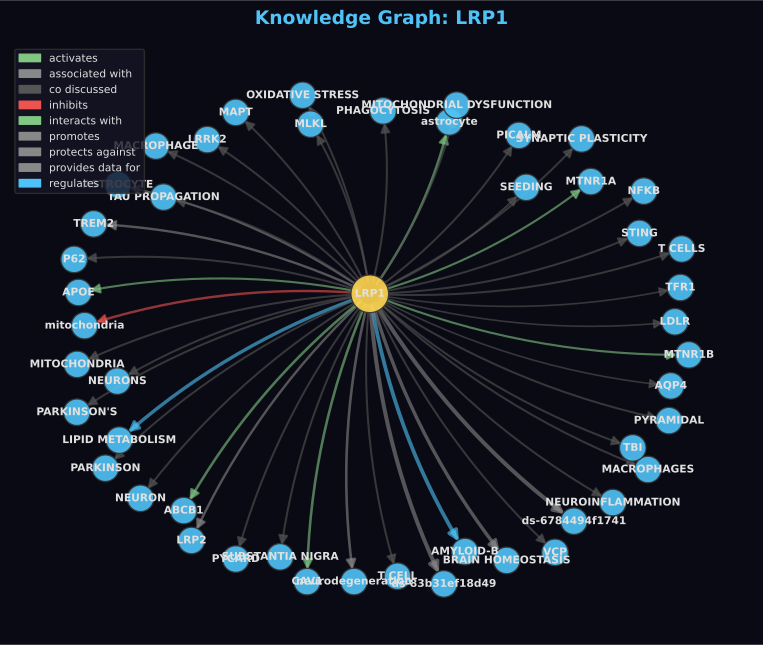
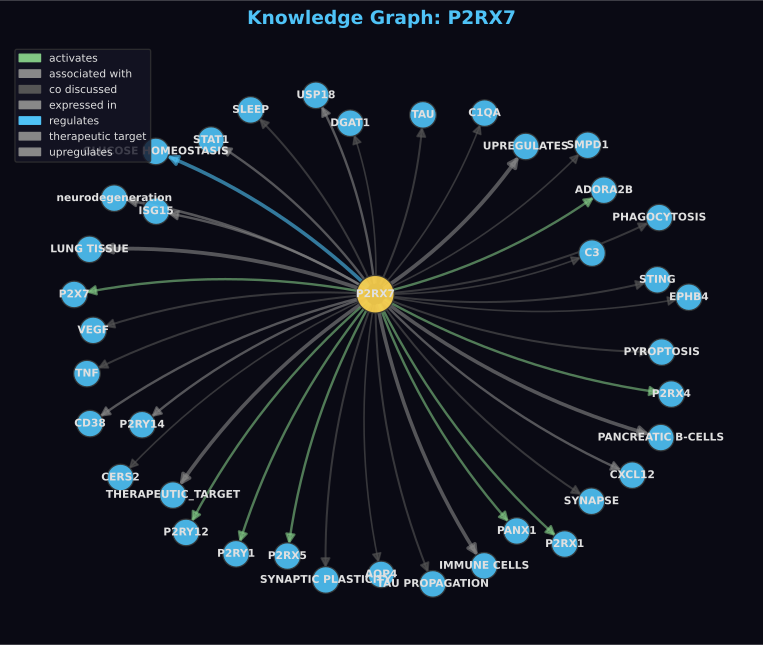
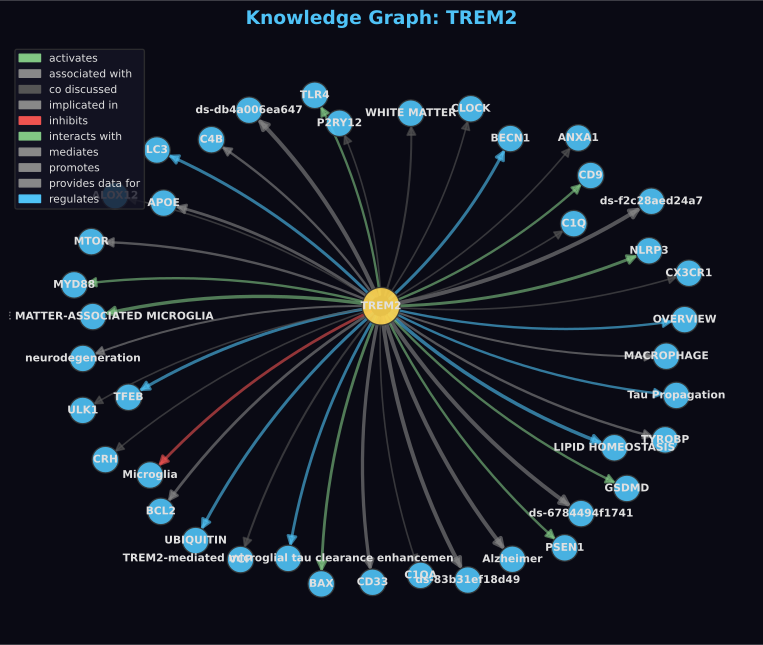
    Knowledge Graph (126 edges)

    Interactive visualization of molecular relationships discovered in this analysis. Drag nodes to rearrange, scroll to zoom, click entities to explore.

    Activate TREM2 signaling pathways to reprogram microglia from tau-propagating phenotype to tau-clear (1)

    CHMP4B modulates tau propagation (1)

    Deploy selective small molecule inhibitors targeting the tau-binding domain of LRP1 to prevent cellu (1)

    Design allosteric modulators that specifically enhance HSP90's tau disaggregation activity without a (1)

    Design selective allosteric activators of VCP/p97 ATPase activity specifically for tau-containing au (1)

    Develop selective modulators of neurexin-neuroligin interactions to create synaptic barriers that pr (1)

    HSP90AA1 modulates tau propagation (1)

    LRP1 modulates tau propagation (1)

    NLGN1 modulates tau propagation (1)

    SNAP25 modulates tau propagation (1)

    TREM2 modulates tau propagation (1)

    Target ESCRT-III complex components (CHMP4B, VPS4) to selectively reduce tau-containing extracellula (1)

    Target SNAP25 interactions to prevent tau uptake at presynaptic terminals during vesicle recycling. (1)

    VCP modulates tau propagation (1)

    associated with (7)

    ▸ Show 2 more

    catalyzes (1)

    co associated with (21)

    ▸ Show 16 more

    co discussed (48)

    ▸ Show 43 more

    contributes to (1)

    controls (1)

    facilitates (1)

    investigated in (1)

    involved in (1)

    mediates (2)

    participates in (5)

    regulates (15)

    ▸ Show 10 more

    stabilizes (1)

    therapeutic target (7)

    ▸ Show 2 more

    Pathway Diagram

    Key molecular relationships — gene/protein nodes color-coded by type

    graph TD
        diseases_corticobasal_syn["diseases-corticobasal-syndrome"] -->|investigated in| SDA_2026_04_02_gap_tau_pr["SDA-2026-04-02-gap-tau-prop-20260402003221-H001"]
        LRP1["LRP1"] -.->|Deploy selective s| lrp1_tau_interaction["lrp1_tau_interaction"]
        LRP1_1["LRP1"] -->|regulates| LRP1_Dependent_Tau_Uptake["LRP1-Dependent Tau Uptake Disruption"]
        TREM2["TREM2"] -->|regulates| TREM2_mediated_microglial["TREM2-mediated microglial tau clearance enhancemen"]
        CHMP4B["CHMP4B"] -->|regulates| Extracellular_Vesicle_Bio["Extracellular Vesicle Biogenesis Modulation"]
        VCP["VCP"] -->|regulates| VCP_Mediated_Autophagy_En["VCP-Mediated Autophagy Enhancement"]
        HSP90AA1["HSP90AA1"] -->|regulates| HSP90_Tau_Disaggregation_["HSP90-Tau Disaggregation Complex Enhancement"]
        SNAP25["SNAP25"] -->|regulates| Synaptic_Vesicle_Tau_Capt["Synaptic Vesicle Tau Capture Inhibition"]
        NLGN1["NLGN1"] -->|regulates| Trans_Synaptic_Adhesion_M["Trans-Synaptic Adhesion Molecule Modulation"]
        TREM2_2["TREM2"] -->|Activate TREM2 sig| trem2_tau_interaction["trem2_tau_interaction"]
        lrp1_tau_interaction_3["lrp1_tau_interaction"] -->|LRP1 modulates tau| tau_propagation["tau_propagation"]
        LRP1_Dependent_Tau_Uptake_4["LRP1-Dependent Tau Uptake Disruption"] -->|therapeutic target| Alzheimer_s_Disease["Alzheimer's Disease"]
        style diseases_corticobasal_syn fill:#ef5350,stroke:#333,color:#000
        style SDA_2026_04_02_gap_tau_pr fill:#4fc3f7,stroke:#333,color:#000
        style LRP1 fill:#ce93d8,stroke:#333,color:#000
        style lrp1_tau_interaction fill:#4fc3f7,stroke:#333,color:#000
        style LRP1_1 fill:#ce93d8,stroke:#333,color:#000
        style LRP1_Dependent_Tau_Uptake fill:#4fc3f7,stroke:#333,color:#000
        style TREM2 fill:#ce93d8,stroke:#333,color:#000
        style TREM2_mediated_microglial fill:#4fc3f7,stroke:#333,color:#000
        style CHMP4B fill:#ce93d8,stroke:#333,color:#000
        style Extracellular_Vesicle_Bio fill:#4fc3f7,stroke:#333,color:#000
        style VCP fill:#ce93d8,stroke:#333,color:#000
        style VCP_Mediated_Autophagy_En fill:#4fc3f7,stroke:#333,color:#000
        style HSP90AA1 fill:#ce93d8,stroke:#333,color:#000
        style HSP90_Tau_Disaggregation_ fill:#4fc3f7,stroke:#333,color:#000
        style SNAP25 fill:#ce93d8,stroke:#333,color:#000
        style Synaptic_Vesicle_Tau_Capt fill:#4fc3f7,stroke:#333,color:#000
        style NLGN1 fill:#ce93d8,stroke:#333,color:#000
        style Trans_Synaptic_Adhesion_M fill:#4fc3f7,stroke:#333,color:#000
        style TREM2_2 fill:#ce93d8,stroke:#333,color:#000
        style trem2_tau_interaction fill:#4fc3f7,stroke:#333,color:#000
        style lrp1_tau_interaction_3 fill:#4fc3f7,stroke:#333,color:#000
        style tau_propagation fill:#81c784,stroke:#333,color:#000
        style LRP1_Dependent_Tau_Uptake_4 fill:#4fc3f7,stroke:#333,color:#000
        style Alzheimer_s_Disease fill:#ef5350,stroke:#333,color:#000

    Figures & Visualizations (20)

    Pathway Diagrams (3)

    pathway LRP1

    pathway LRP1

    pathway P2RX7

    pathway P2RX7

    pathway TREM2

    pathway TREM2

    Score Comparisons (1)

    score comparison

    score comparison

    Heatmaps (7)

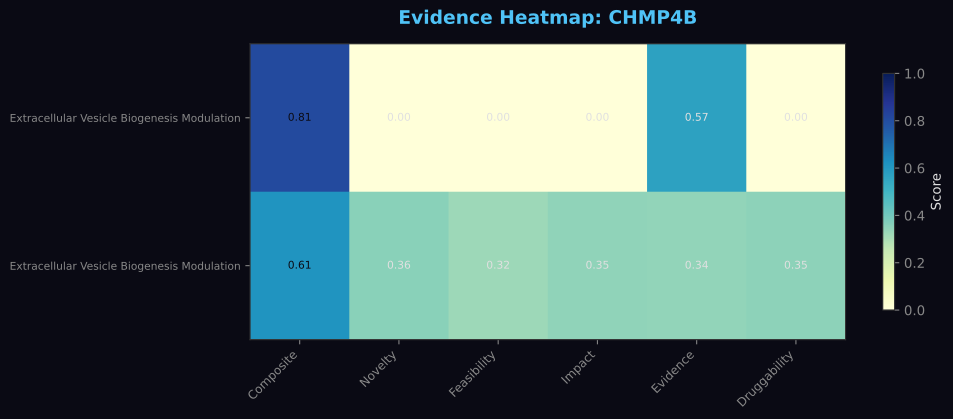
    heatmap CHMP4B

    heatmap CHMP4B

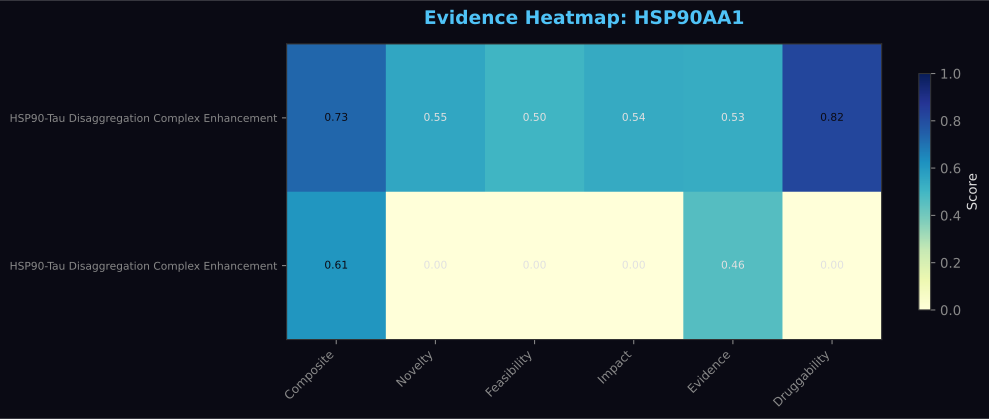
    heatmap HSP90AA1

    heatmap HSP90AA1

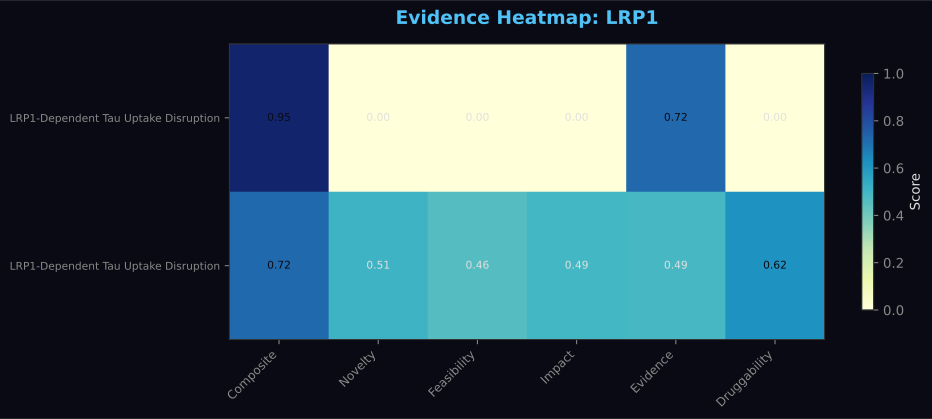
    heatmap LRP1

    heatmap LRP1

    4 more in full analysis view

    Debate Impact (9)

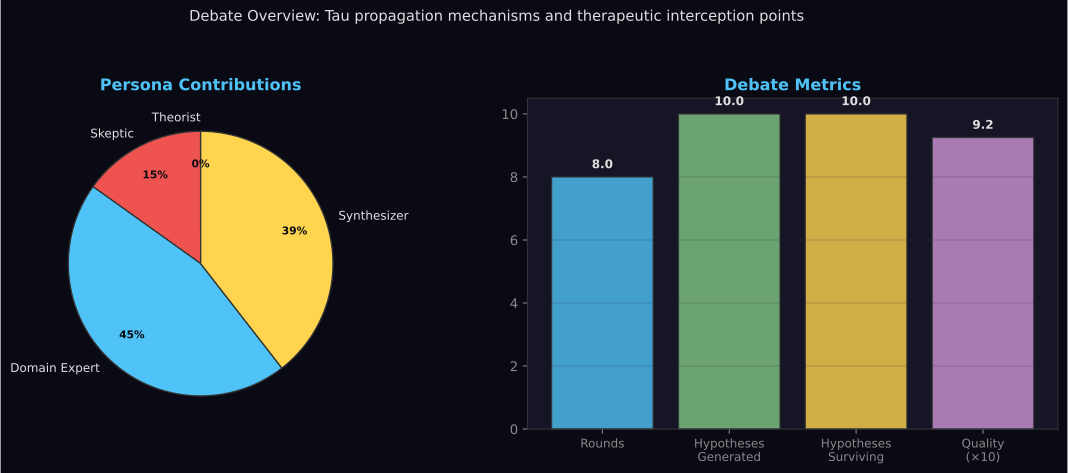
    debate overview

    debate overview

    debate impact

    debate impact

    7 more in full analysis view

    Linked Wiki Pages (20)

    Entities from this analysis that have detailed wiki pages

    ADAM10 — A Disintegrin And Metalloproteinase Domai gene APP — Amyloid Precursor Protein gene APP Gene Dosage Reduction Therapy for Down Syndrom idea APP/PS1 Dual Transgenic Mouse Model model APP Protein protein BIN1 — Bridging Integrator 1 gene C1QA Gene — Complement Component 1q A Chain gene CD33 — Cluster of Differentiation 33 gene CD33 Modulation Therapy for Neurodegeneration idea CD33 (Siglec-3) protein CDK5 Gene gene Cdk5 (Cyclin-Dependent Kinase 5) protein CHMP4B — Charged Multivesicular Body Protein 4B gene CTSD — Cathepsin D gene CX3CR1 — CX3C Chemokine Receptor 1 gene erk-mapk-signaling-neurodegeneration mechanism HSP70 Gene gene HSP70 Inducer Therapies for Neurodegeneration idea HSP70 (Heat Shock Protein 70 / HSPA1A) protein HSP90 Protein (Heat Shock Protein 90) protein

    Key Papers (10)

    Editorial for “Corrected <scp>MRI</scp> Pulmonary Transit Time for Identification of Combined Pre and PostCa
    Journal of Magnetic Resonance Imaging 2023 · PMID: 36029232
    World Cancer Research Fund’s campaign helps people take control of cancer risk
    BMJ (Clinical research ed.) 2018 · PMID: 30012813
    Concerns about the reliability of a trial of oral progesterone for preterm birth included in a meta-analysis
    American Journal of Obstetrics &amp; Gynecology MFM 2022 · PMID: 35654321
    Vitamin D, virus etiology, and atopy in first-time wheezing children in Finland.
    Pediatric allergy and immunology : official publication of the European Society of Pediatric Allergy and Immunology 2015 · PMID: 25387768
    Tick tock
    Nature Chemical Biology 2020 · PMID: 32198495
    Effect of a cleavage-resistant collagen mutation on left ventricular remodeling.
    Circulation research 2003 · PMID: 12855673
    Role of Neurexin-1β and Neuroligin-1 in Cognitive Dysfunction After Subarachnoid Hemorrhage in Rats.
    Stroke 2015 · PMID: 26219651
    Gut Microbiota-Derived Tyrosol Alleviates Radiation-Induced Intestinal Injury via Targeting SCD1-MUFA Axis to Suppress E
    International journal of biological sciences 2026 · PMID: 41800257
    Emerging pathological mechanisms of Alzheimer's disease pathogenesis: from neuroimmune interactions to intercellula
    Frontiers in aging neuroscience 2026 · PMID: 41858793
    Adaptive self-healing electronic epineurium for chronic bidirectional neural interfaces.
    Nature communications 2020 · PMID: 32826916
    Standard analysis view → Full knowledge graph → Hypothesis Exchange →

    More Walkthroughs

    Walkthrough
    Cell type vulnerability in Alzheimers Disease (SEA-AD transcriptomic d
    What cell types are most vulnerable in Alzheimers Disease based on SEA-AD transcriptomic data from the Allen Brain Cell
    18 hypotheses 201 edges neurodegeneration
    Walkthrough
    What are the mechanisms by which gut microbiome dysbiosis influences P
    What are the mechanisms by which gut microbiome dysbiosis influences Parkinson's disease pathogenesis through the gut-br
    13 hypotheses 467 edges neurodegeneration
    Walkthrough
    CRISPR-based therapeutic approaches for neurodegenerative diseases
    Evaluate the potential of CRISPR/Cas9 and related gene editing technologies for treating neurodegenerative diseases incl
    0 hypotheses 0 edges neurodegeneration
    Walkthrough
    CRISPR-based therapeutic approaches for neurodegenerative diseases
    Evaluate the potential of CRISPR/Cas9 and related gene editing technologies for treating neurodegenerative diseases incl
    14 hypotheses 421 edges neurodegeneration
    Walkthrough
    Gene expression changes in aging mouse brain predicting neurodegenerat
    What gene expression changes in the aging mouse brain predict neurodegenerative vulnerability? Use Allen Aging Mouse Bra
    45 hypotheses 228 edges neurodegeneration
    Walkthrough
    Neuroinflammation and microglial priming in early Alzheimer's Disease
    Investigate mechanistic links between early microglial priming states, neuroinflammatory signaling, and downstream neuro
    14 hypotheses 83 edges neurodegeneration
    Walkthrough
    Senolytic therapy for age-related neurodegeneration
    Senolytics targeting p16/p21+ senescent astrocytes and microglia may reduce SASP-driven neuroinflammation.
    8 hypotheses 325 edges neurodegeneration
    Walkthrough
    Epigenetic reprogramming in aging neurons
    Investigate mechanisms of epigenetic reprogramming in aging neurons, including DNA methylation changes, histone modifica
    9 hypotheses 121 edges neurodegeneration
    Walkthrough
    Blood-brain barrier transport mechanisms for antibody therapeutics
    Anti-amyloid antibodies (lecanemab, donanemab) have ~0.1% brain penetrance. Engineering improved BBB transcytosis via tr
    7 hypotheses 230 edges neurodegeneration
    Walkthrough
    Circuit-level neural dynamics in neurodegeneration
    Analyze circuit-level changes in neurodegeneration using Allen Institute Neural Dynamics data. Focus on: (1) hippocampal
    67 hypotheses 100 edges neuroscience
    ← Back to all showcase analyses