← Previous walkthroughWalkthrough 5 of 11Next walkthrough →
Deep Dive Walkthrough 251 min read neurodegeneration 2026-04-04

CRISPR-based therapeutic approaches for neurodegenerative diseases

Research Question

“Evaluate the potential of CRISPR/Cas9 and related gene editing technologies for treating neurodegenerative diseases including Alzheimer disease, Parkinson disease, Huntington disease, and ALS. Consider approaches targeting causal mutations (e.g., HTT CAG repeats, SOD1, APP), epigenetic modulation (CRISPRa/CRISPRi), base editing, prime editing, and in vivo delivery challenges (AAV, lipid nanoparticles, blood-brain barrier penetration). Assess current preclinical evidence, ongoing clinical trials, and key hurdles for clinical translation.”

14
Hypotheses
444
KG Edges
99
Entities
4
Debate Turns
7
Figures
10
Papers
46
Clinical Trials
ℹ️ How to read this walkthrough (click to expand)
Key Findings

Start here for the top 3 hypotheses and their scores.

Debate Transcript

Four AI personas debated the question. Click “Read full response” to expand.

Score Dimensions

Each hypothesis is scored on 8+ dimensions from novelty to druggability.

Knowledge Graph

Interactive network of molecular relationships. Drag nodes, scroll to zoom.

Analysis Journey

1
Gap Found
Literature scan
2
Debate
4 rounds, 4 agents
3
Hypotheses
14 generated
4
KG Built
444 edges
5
Evidence
0 claims

Key Findings

1
Acid-Degradable LNP-Mediated Prenatal CRISPR Intervention for Severe Neurodevelo
Target: SOD1, HTT, TARDBP

## Molecular Mechanism and Rationale The molecular foundation for acid-degradable lipid nanoparticle (ADP-LNP)-mediated prenatal CRISPR intervention centers on the pathological mechanisms underlying

Score: 0.64
2
Prime Editing Precision Correction of APOE4 to APOE3 in Microglia
Target: APOE

## Mechanistic Overview Prime Editing Precision Correction of APOE4 to APOE3 in Microglia starts from the claim that modulating APOE within the disease context of neurodegeneration can redirect a dise

Score: 0.80
3
Temporal CAG Repeat Stabilization via CRISPR-Mediated DNA Mismatch Repair Modula
Target: MSH3, PMS1

## Mechanistic Overview Temporal CAG Repeat Stabilization via CRISPR-Mediated DNA Mismatch Repair Modulation starts from the claim that modulating MSH3, PMS1 within the disease context of neurodegener

Score: 0.68

How This Analysis Was Created

1. Gap Detection

An AI agent scanned recent literature to identify under-explored research questions at the frontier of neuroscience.

2. Multi-Agent Debate

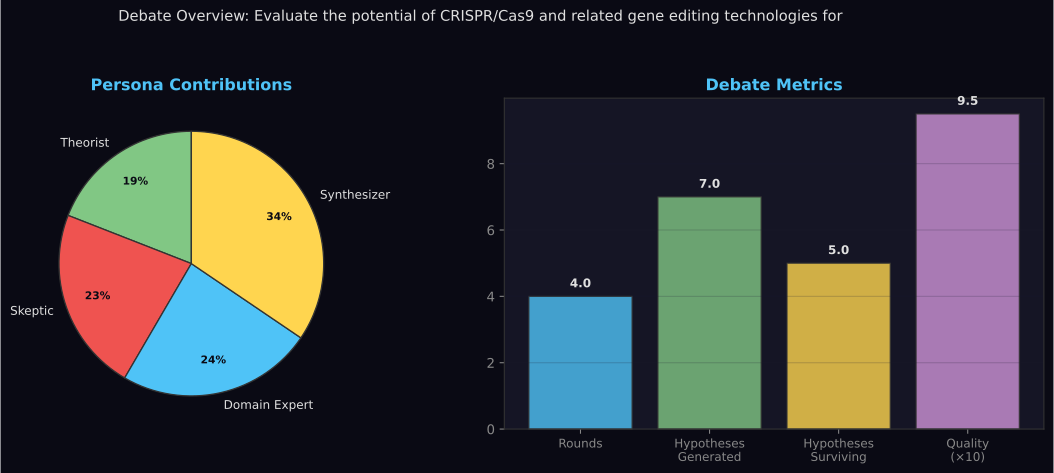
Four AI personas (Theorist, Skeptic, Domain Expert, Synthesizer) debated the question across 4 rounds, generating and stress-testing hypotheses.

3. Evidence Gathering

Each hypothesis was evaluated against PubMed literature, clinical trial data, and gene expression databases to build an evidence portfolio.

4. Knowledge Graph

444 molecular relationships were extracted and mapped into an interactive knowledge graph connecting genes, pathways, and diseases.

Executive Summary

The synthesis reveals that while all seven CRISPR-based therapeutic hypotheses demonstrate innovative thinking, their feasibility varies dramatically. The APOE4-to-APOE3 prime editing approach emerges as the most promising (composite score 0.73), benefiting from strong mechanistic rationale, validated target biology, and advancing delivery technologies. However, even this leading candidate faces significant challenges in achieving sufficient editing efficiency and microglia-specific targeting in human brain tissue. The multiplexed base editing approach (0.64) offers intriguing therapeutic potential but suffers from delivery payload limitations and unpredictable pathway interactions.

Critically, safety concerns dominate the lower-ranked hypotheses, particularly the prenatal intervention (0.48) and conditional kill switches (0.44), which face prohibitive ethical and safety barriers respectively. The temporal CAG repeat stabilization approach (0.59), despite strong disease rationale, carries unacceptable cancer risk from DNA repair suppression. These findings underscore that successful translation of CRISPR therapeutics for neurodegeneration will require not just technical innovation, but careful balance of therapeutic benefit against safety risks, with the most viable approaches likely being those that enhance rather than eliminate cellular functions while maintaining precise targeting specificity.

📊 Jupyter Notebook

Interactive computational analysis with code and visualizations

View Notebook →

Multi-Agent Debate

4 rounds 7 hypotheses generated Quality: 0.95

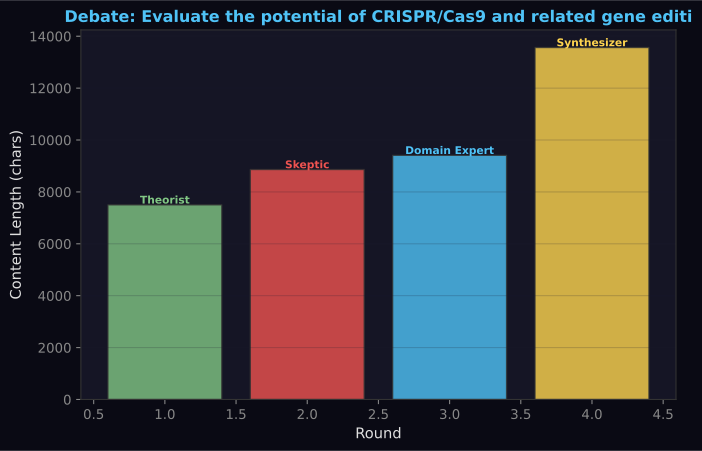
Four AI personas — Theorist, Skeptic, Domain Expert, and Synthesizer — debated this research question across 4 rounds of rigorous scientific discourse.

Round 1
🧠 Theorist

Based on my research into CRISPR-based therapeutic approaches for neurodegenerative diseases, I'll present 7 novel therapeutic hypotheses that build upon current evidence while proposing innovative mechanisms and targets.

1. Temporal CAG Repeat Stabilization via CRISPR-Mediated DNA Mismatch Repair Modulation

Description: Deploy CRISPR interference (CRISPRi) to selectively downregulate

...
Round 2
⚠️ Skeptic

Critical Evaluation of CRISPR-Based Neurodegenerative Disease Therapeutic Hypotheses

Based on my analysis of the available evidence, I'll provide a rigorous critique of each hypothesis, identifying specific weaknesses and providing revised confidence scores.

1. Temporal CAG Repeat Stabilization via CRISPR-Mediated DNA Mismatch Repair Modulation

Major Weaknesses:

  • **Developmental tim
  • ...
    Round 3
    💊 Domain Expert

    Practical Feasibility Assessment of CRISPR-Based Neurodegenerative Disease Therapeutics

    Based on my analysis of the evidence and current competitive landscape, I'll provide a comprehensive assessment of each hypothesis from a drug development perspective.

    1. Temporal CAG Repeat Stabilization via CRISPR-Mediated DNA Mismatch Repair Modulation

    Druggability Assessment: MODERATE

    • **Target

    ...

    Hypotheses (14)

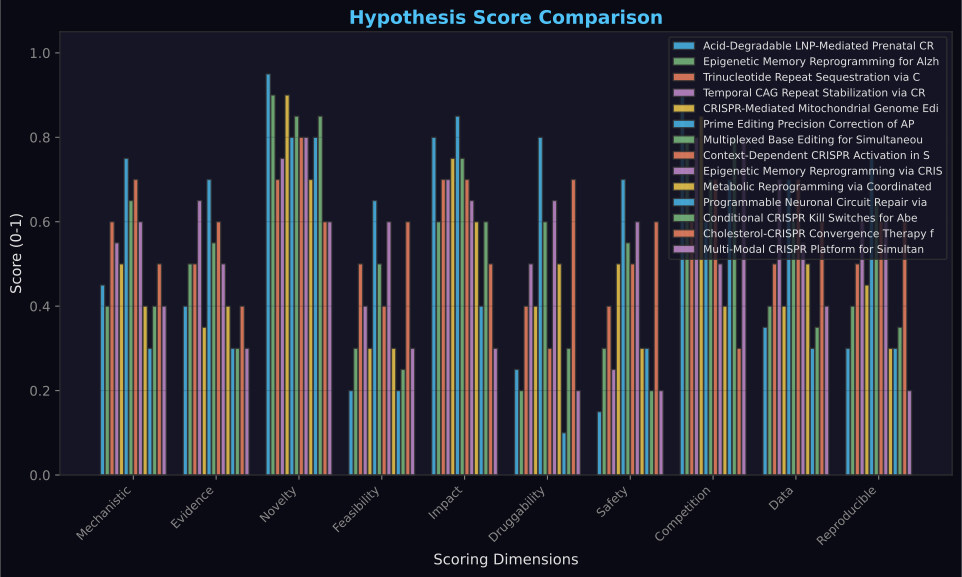
    Score Comparison

    #1
    Acid-Degradable LNP-Mediated Prenatal CRISPR
    0.64
    #2
    Prime Editing Precision Correction of APOE4 t
    0.80
    #3
    Temporal CAG Repeat Stabilization via CRISPR-
    0.68
    #4
    Cholesterol-CRISPR Convergence Therapy for Ne
    0.62
    #5
    Context-Dependent CRISPR Activation in Specif
    0.68
    #6
    Epigenetic Memory Reprogramming via CRISPRa-M
    0.69
    #7
    Programmable Neuronal Circuit Repair via Epig
    0.60
    #8
    Metabolic Reprogramming via Coordinated Multi
    0.60
    #9
    Trinucleotide Repeat Sequestration via CRISPR
    0.61
    #10
    Epigenetic Memory Reprogramming for Alzheimer
    0.61
    #11
    Multi-Modal CRISPR Platform for Simultaneous
    0.60
    #12
    Multiplexed Base Editing for Simultaneous Neu
    0.70
    #13
    Conditional CRISPR Kill Switches for Aberrant
    0.62
    #14
    CRISPR-Mediated Mitochondrial Genome Editing
    0.68
    #1 Hypothesis combination
    Market: 0.67
    0.64
    Acid-Degradable LNP-Mediated Prenatal CRISPR Intervention for Severe Neurodevelopmental Forms
    Target: SOD1, HTT, TARDBP Disease: neurodegeneration Pathway: Oxidative stress response
    ## Molecular Mechanism and Rationale The molecular foundation for acid-degradable lipid nanoparticle (ADP-LNP)-mediated prenatal CRISPR intervention centers on the pathological mechanisms underlying severe neurodevelopmental forms of neurodegeneration caused by dominant mutations in SOD1, HTT, and TARDBP genes. These three genes encode critical proteins whose toxic gain-of-function mutations lead to devastating early-onset neurodegenerative diseases: familial amyotrophic lateral sclerosis (fALS...
    Confidence 0.40
    Novelty 0.95
    Feasibility 0.20
    Impact 0.80
    Mechanism 0.45
    Druggability 0.25
    Safety 0.15
    Reproducibility 0.30
    Competition 0.90
    Data Avail. 0.35
    0 evidence for 0 evidence against
    #2 Hypothesis mechanistic
    Market: 0.68
    0.80
    Prime Editing Precision Correction of APOE4 to APOE3 in Microglia
    Target: APOE Disease: neurodegeneration Pathway: APOE-mediated cholesterol/lipid transpor
    ## Mechanistic Overview Prime Editing Precision Correction of APOE4 to APOE3 in Microglia starts from the claim that modulating APOE within the disease context of neurodegeneration can redirect a disease-relevant process. The original description reads: "## Mechanistic Overview Prime Editing Precision Correction of APOE4 to APOE3 in Microglia starts from the claim that modulating APOE within the disease context of neurodegeneration can redirect a disease-relevant process. The original descriptio...
    Confidence 0.70
    Novelty 0.80
    Feasibility 0.65
    Impact 0.85
    Mechanism 0.75
    Druggability 0.80
    Safety 0.70
    Reproducibility 0.75
    Competition 0.60
    Data Avail. 0.70
    0 evidence for 0 evidence against
    #3 Hypothesis therapeutic
    Market: 0.64
    0.68
    Temporal CAG Repeat Stabilization via CRISPR-Mediated DNA Mismatch Repair Modulation
    Target: MSH3, PMS1 Disease: neurodegeneration Pathway: DNA damage repair
    ## Mechanistic Overview Temporal CAG Repeat Stabilization via CRISPR-Mediated DNA Mismatch Repair Modulation starts from the claim that modulating MSH3, PMS1 within the disease context of neurodegeneration can redirect a disease-relevant process. The original description reads: "## Mechanistic Overview Temporal CAG Repeat Stabilization via CRISPR-Mediated DNA Mismatch Repair Modulation starts from the claim that modulating MSH3, PMS1 within the disease context of neurodegeneration can redirect a...
    Confidence 0.65
    Novelty 0.75
    Feasibility 0.40
    Impact 0.70
    Mechanism 0.55
    Druggability 0.50
    Safety 0.25
    Reproducibility 0.60
    Competition 0.80
    Data Avail. 0.70
    0 evidence for 0 evidence against
    #4 Hypothesis tool
    Market: 0.65
    0.62
    Cholesterol-CRISPR Convergence Therapy for Neurodegeneration
    Target: HMGCR, LDLR, APOE regulatory regions Disease: neurodegeneration Pathway: Brain cholesterol homeostasis (HMGCR syn
    ## Mechanistic Overview Cholesterol-CRISPR Convergence Therapy for Neurodegeneration starts from the claim that modulating HMGCR, LDLR, APOE regulatory regions within the disease context of neurodegeneration can redirect a disease-relevant process. The original description reads: "**Background and Rationale** Neurodegenerative diseases including Alzheimer's disease (AD), Parkinson's disease (PD), and amyotrophic lateral sclerosis (ALS) represent a growing global health crisis, with limited thera...
    Confidence 0.40
    Novelty 0.60
    Feasibility 0.60
    Impact 0.50
    Mechanism 0.50
    Druggability 0.70
    Safety 0.60
    Reproducibility 0.60
    Competition 0.30
    Data Avail. 0.60
    Clinical 0.17
    0 evidence for 0 evidence against
    #5 Hypothesis tool
    Market: 0.71
    0.68
    Context-Dependent CRISPR Activation in Specific Neuronal Subtypes
    Target: Cell-type-specific essential genes Disease: neurodegeneration Pathway: CRISPRa transcriptional activation of ne
    ## Mechanistic Overview Context-Dependent CRISPR Activation in Specific Neuronal Subtypes starts from the claim that modulating Cell-type-specific essential genes within the disease context of neurodegeneration can redirect a disease-relevant process. The original description reads: "**Background and Rationale** Neurodegeneration encompasses a diverse array of disorders characterized by progressive loss of specific neuronal populations, including Alzheimer's disease, Parkinson's disease, Hunting...
    Confidence 0.60
    Novelty 0.80
    Feasibility 0.40
    Impact 0.70
    Mechanism 0.70
    Druggability 0.30
    Safety 0.50
    Reproducibility 0.60
    Competition 0.70
    Data Avail. 0.70
    Clinical 0.39
    0 evidence for 0 evidence against
    #6 Hypothesis combination
    Market: 0.72
    0.69
    Epigenetic Memory Reprogramming via CRISPRa-Mediated Chromatin Remodeling
    Target: SIRT1, FOXO3, NRF2, TFAM Disease: neurodegeneration Pathway: Sirtuin-1 / NAD+ metabolism / deacetylat
    ## Mechanistic Overview Epigenetic Memory Reprogramming via CRISPRa-Mediated Chromatin Remodeling starts from the claim that modulating SIRT1, FOXO3, NRF2, TFAM within the disease context of neurodegeneration can redirect a disease-relevant process. The original description reads: "## Epigenetic Memory Reprogramming via CRISPRa-Mediated Chromatin Remodeling ### Mechanistic Hypothesis Overview This hypothesis proposes a disease-modifying strategy centered on **Epigenetic Memory Reprogramming via ...
    Confidence 0.50
    Novelty 0.80
    Feasibility 0.60
    Impact 0.65
    Mechanism 0.60
    Druggability 0.65
    Safety 0.60
    Reproducibility 0.60
    Competition 0.50
    Data Avail. 0.55
    0 evidence for 0 evidence against
    #7 Hypothesis tool
    Market: 0.63
    0.60
    Programmable Neuronal Circuit Repair via Epigenetic CRISPR
    Target: NURR1, PITX3, neuronal identity transcription factors Disease: neurodegeneration Pathway: CRISPRa epigenetic activation of dopamin
    ## Mechanistic Overview Programmable Neuronal Circuit Repair via Epigenetic CRISPR starts from the claim that modulating NURR1, PITX3, neuronal identity transcription factors within the disease context of neurodegeneration can redirect a disease-relevant process. The original description reads: "**Background and Rationale** Neurodegeneration is characterized by the progressive loss of specific neuronal populations, leading to devastating diseases such as Parkinson's disease (PD), Huntington's di...
    Confidence 0.30
    Novelty 0.80
    Feasibility 0.20
    Impact 0.40
    Mechanism 0.30
    Druggability 0.10
    Safety 0.30
    Reproducibility 0.30
    Competition 0.70
    Data Avail. 0.30
    Clinical 0.39
    0 evidence for 0 evidence against
    #8 Hypothesis tool
    Market: 0.63
    0.60
    Metabolic Reprogramming via Coordinated Multi-Gene CRISPR Circuits
    Target: PGC1A, SIRT1, FOXO3, mitochondrial biogenesis genes Disease: neurodegeneration Pathway: PGC1α/SIRT1/FOXO3 mitochondrial biogenes
    ## Mechanistic Overview Metabolic Reprogramming via Coordinated Multi-Gene CRISPR Circuits starts from the claim that modulating PGC1A, SIRT1, FOXO3, mitochondrial biogenesis genes within the disease context of neurodegeneration can redirect a disease-relevant process. The original description reads: "**Background and Rationale** Neurodegeneration is fundamentally linked to metabolic dysfunction, with aging neurons displaying impaired energy homeostasis, mitochondrial dysfunction, and reduced ce...
    Confidence 0.40
    Novelty 0.70
    Feasibility 0.30
    Impact 0.60
    Mechanism 0.40
    Druggability 0.50
    Safety 0.30
    Reproducibility 0.30
    Competition 0.40
    Data Avail. 0.50
    Clinical 0.39
    0 evidence for 0 evidence against
    #9 Hypothesis tool
    Market: 0.64
    0.61
    Trinucleotide Repeat Sequestration via CRISPR-Guided RNA Targeting
    Target: HTT, DMPK, repeat-containing transcripts Disease: neurodegeneration Pathway: CRISPR-Cas13 RNA targeting / trinucleoti
    ## Mechanistic Overview Trinucleotide Repeat Sequestration via CRISPR-Guided RNA Targeting starts from the claim that modulating HTT, DMPK, repeat-containing transcripts within the disease context of neurodegeneration can redirect a disease-relevant process. The original description reads: "Trinucleotide Repeat Sequestration via CRISPR-Guided RNA Targeting proposes using RNA-targeting CRISPR systems (CasRx/Cas13d or dPspCas13b) to selectively bind and neutralize toxic expanded repeat RNA transcr...
    Confidence 0.50
    Novelty 0.70
    Feasibility 0.50
    Impact 0.70
    Mechanism 0.60
    Druggability 0.40
    Safety 0.40
    Reproducibility 0.50
    Competition 0.60
    Data Avail. 0.50
    Clinical 0.09
    0 evidence for 0 evidence against
    #10 Hypothesis therapeutic
    Market: 0.64
    0.61
    Epigenetic Memory Reprogramming for Alzheimer's Disease
    Target: BDNF, CREB1, synaptic plasticity genes Disease: neurodegeneration Pathway: CREB/BDNF epigenetic regulation of synap
    ## Mechanistic Overview Epigenetic Memory Reprogramming for Alzheimer's Disease starts from the claim that modulating BDNF, CREB1, synaptic plasticity genes within the disease context of neurodegeneration can redirect a disease-relevant process. The original description reads: "**Background and Rationale** Epigenetic Memory Reprogramming for Alzheimer's Disease proposes using CRISPR-based epigenome editing to install persistent transcriptional memory circuits that maintain neuroprotective gene e...
    Confidence 0.50
    Novelty 0.90
    Feasibility 0.30
    Impact 0.60
    Mechanism 0.40
    Druggability 0.20
    Safety 0.30
    Reproducibility 0.40
    Competition 0.80
    Data Avail. 0.40
    Clinical 0.13
    0 evidence for 0 evidence against
    #11 Hypothesis tool
    Market: 0.63
    0.60
    Multi-Modal CRISPR Platform for Simultaneous Editing and Monitoring
    Target: Disease-causing mutations with integrated reporters Disease: neurodegeneration Pathway: Multiplexed CRISPR editing with integrat
    ## Mechanistic Overview Multi-Modal CRISPR Platform for Simultaneous Editing and Monitoring starts from the claim that modulating Disease-causing mutations with integrated reporters within the disease context of neurodegeneration can redirect a disease-relevant process. The original description reads: "The convergence of genome editing and biosensor technologies has created an unprecedented opportunity to develop therapeutic platforms that not only correct disease-causing mutations but also prov...
    Confidence 0.30
    Novelty 0.60
    Feasibility 0.30
    Impact 0.30
    Mechanism 0.40
    Druggability 0.20
    Safety 0.20
    Reproducibility 0.20
    Competition 0.80
    Data Avail. 0.40
    Clinical 0.39
    0 evidence for 0 evidence against
    #12 Hypothesis combination
    Market: 0.74
    0.70
    Multiplexed Base Editing for Simultaneous Neuroprotective Gene Activation
    Target: SOD1, TARDBP, BDNF, GDNF, IGF-1 Disease: neurodegeneration Pathway: Oxidative stress response
    ## Mechanistic Overview Multiplexed Base Editing for Simultaneous Neuroprotective Gene Activation starts from the claim that modulating SOD1, TARDBP, BDNF, GDNF, IGF-1 within the disease context of neurodegeneration can redirect a disease-relevant process. The original description reads: "## Multiplexed Base Editing for Simultaneous Neuroprotective Gene Activation ### Mechanistic Hypothesis Overview The "Multiplexed Base Editing for Simultaneous Neuroprotective Gene Activation" hypothesis propos...
    Confidence 0.55
    Novelty 0.85
    Feasibility 0.50
    Impact 0.75
    Mechanism 0.65
    Druggability 0.60
    Safety 0.55
    Reproducibility 0.65
    Competition 0.70
    Data Avail. 0.60
    0 evidence for 0 evidence against
    #13 Hypothesis combination
    Market: 0.66
    0.62
    Conditional CRISPR Kill Switches for Aberrant Protein Clearance
    Target: UBE3A, PARK2, PINK1 Disease: neurodegeneration Pathway: PINK1/Parkin mitophagy pathway
    ## Mechanistic Overview Conditional CRISPR Kill Switches for Aberrant Protein Clearance starts from the claim that modulating UBE3A, PARK2, PINK1 within the disease context of neurodegeneration can redirect a disease-relevant process. The original description reads: "## Mechanistic Overview Conditional CRISPR Kill Switches for Aberrant Protein Clearance starts from the claim that modulating UBE3A, PARK2, PINK1 within the disease context of neurodegeneration can redirect a disease-relevant proces...
    Confidence 0.30
    Novelty 0.85
    Feasibility 0.25
    Impact 0.60
    Mechanism 0.40
    Druggability 0.30
    Safety 0.20
    Reproducibility 0.35
    Competition 0.80
    Data Avail. 0.35
    0 evidence for 0 evidence against
    #14 Hypothesis combination
    Market: 0.72
    0.68
    CRISPR-Mediated Mitochondrial Genome Editing for Complex I Dysfunction
    Target: MT-ND1, MT-ND4, MT-ND6 Disease: neurodegeneration Pathway: Mitochondrial dynamics / bioenergetics
    ## Mechanistic Overview CRISPR-Mediated Mitochondrial Genome Editing for Complex I Dysfunction starts from the claim that modulating MT-ND1, MT-ND4, MT-ND6 within the disease context of neurodegeneration can redirect a disease-relevant process. The original description reads: "## Mechanistic Overview CRISPR-Mediated Mitochondrial Genome Editing for Complex I Dysfunction starts from the claim that modulating MT-ND1, MT-ND4, MT-ND6 within the disease context of neurodegeneration can redirect a dis...
    Confidence 0.35
    Novelty 0.90
    Feasibility 0.30
    Impact 0.75
    Mechanism 0.50
    Druggability 0.40
    Safety 0.50
    Reproducibility 0.45
    Competition 0.85
    Data Avail. 0.40
    0 evidence for 0 evidence against

    Gene Expression Context

    Expression data from Allen Institute and other transcriptomic datasets relevant to the target genes in this analysis.

    APOE via Prime Editing Precision Correction of APOE4 to APOE3 in Micr

    APOE (Apolipoprotein E):

    • APOE is one of the most highly expressed genes in the brain, predominantly produced by astrocytes with significant expression in microglia and choroid plexus. Allen Human Brain Atlas shows ubiquitous expression with enrichment in hippocampus and temporal cortex. APOE4 allele is the strongest genetic risk factor for late-onset AD, with isoform-dependent effects on lipid transport, amyloid clearance, and synaptic maintenance. SEA-AD snRNA-seq reveals cell-type-specif

    HMGCR, LDLR, APOE regulatory regions via Cholesterol-CRISPR Convergence Therapy for Neurodegeneration

    HMGCR (3-Hydroxy-3-Methylglutaryl-CoA Reductase) / CYP46A1 (Cholesterol 24-Hydroxylase):

    • HMGCR: rate-limiting enzyme in cholesterol biosynthesis; nearly all brain cholesterol is synthesized in situ since the BBB blocks peripheral cholesterol entry
    • Allen Human Brain Atlas: HMGCR expressed in all brain regions; highest in oligodendrocytes (for myelin synthesis) and developing neurons; CYP46A1 expressed almost exclusively in neurons
    • Cell-type specificity: HMGCR — oligodendrocytes > astroc

    Cell-type-specific essential genes via Context-Dependent CRISPR Activation in Specific Neuronal Sub

    Cell-Type-Specific Transcription Factors for CRISPR Targeting:

    • Key neuronal subtype markers enabling cell-type-specific CRISPRa activation
    • Allen Human Brain Atlas cell-type markers:
    • Dopaminergic neurons: TH (tyrosine hydroxylase), NR4A2/NURR1, FOXA2, LMX1A — enriched in substantia nigra pars compacta (A9) and ventral tegmental area (A10)
    • Cholinergic neurons: CHAT (choline acetyltransferase), SLC18A3 (VAChT), ISL1 — enriched in basal forebrain (nucleus basalis of Meynert,

    Hypothesis Pathway Diagrams (14)

    Molecular pathway diagrams generated for each hypothesis, showing key targets, interactions, and therapeutic mechanisms.

    PATHWAY Acid-Degradable LNP-Mediated Prenatal CRISPR Intervention for Severe Neurodevelo
    graph TD
        A["Mutant SOD1/HTT/TARDBP
    genes"] B["ADP-LNP delivery
    system"] C["CRISPR-Cas9
    ribonucleoprotein"] D["Prenatal
    administration"] E["Endosomal
    uptake"] F["pH-triggered
    LNP degradation"] G["Gene editing
    in neural precursors"] H["Protein misfolding
    and aggregation"] I["Mitochondrial
    dysfunction"] J["Neuroinflammation
    activation"] K["Synaptic
    degeneration"] L["Motor neuron
    cell death"] M["Therapeutic
    gene correction"] N["Reduced toxic
    protein burden"] O["Improved
    neurodevelopmental
    outcomes"] A -->|"transcription"| H B -->|"encapsulates"| C D -->|"targets"| E E -->|"acidification"| F F -->|"releases"| C C -->|"edits"| A A -->|"produces mutant proteins"| H H -->|"triggers"| I H -->|"activates"| J I -->|"leads to"| K J -->|"promotes"| K K -->|"causes"| L C -->|"enables"| M M -->|"decreases"| N N -->|"prevents"| O classDef normal fill:#4fc3f7 classDef therapeutic fill:#81c784 classDef pathology fill:#ef5350 classDef outcome fill:#ffd54f classDef molecular fill:#ce93d8 class E,F normal class B,C,D,G,M therapeutic class A,H,I,J,K,L pathology class N,O outcome class A molecular
    PATHWAY Prime Editing Precision Correction of APOE4 to APOE3 in Microglia
    graph TD
        A["Prime Editor Complex
    Cas9-H840A nickase
    fused to M-MLV RT"] --> B["pegRNA Recognition
    APOE4 CGC codon
    at position 130"] B --> C["Target Site Binding
    20 bp spacer sequence
    upstream of PAM site"] C --> D["Nick Generation
    Single strand break
    3 bp upstream of edit"] D --> E["Reverse Transcription
    pegRNA template synthesis
    CGC to TGC conversion"] E --> F["Flap Formation
    3' flap with original sequence
    5' flap with edited sequence"] F --> G["Cellular DNA Repair
    Flap endonuclease 1
    and ligase activity"] G --> H["APOE4 to APOE3 Conversion
    Arg130Cys substitution
    completed"] H --> I["Enhanced Lipid Binding
    Restored high-density
    lipoprotein interaction"] I --> J["Reduced Protein Aggregation
    Improved APOE3
    structural stability"] J --> K["Microglial Activation
    Reduced pro-inflammatory
    cytokine production"] K --> L["Amyloid Beta Clearance
    Enhanced phagocytosis
    and degradation"] L --> M["Tau Pathology Reduction
    Decreased hyperphosphorylation
    and neurofibrillary tangles"] M --> N["Synaptic Protection
    Maintained dendritic spine
    density and function"] N --> O["Neuronal Survival
    Reduced apoptosis
    and oxidative stress"] O --> P["Cognitive Preservation
    Improved memory
    and learning capacity"] A --> Q["Off-Target Assessment
    Genome-wide analysis
    of unintended edits"] Q --> R["Safety Validation
    Chromosomal integrity
    and cell viability"] classDef normal fill:#4fc3f7,stroke:#2196f3 classDef therapeutic fill:#81c784,stroke:#4caf50 classDef pathology fill:#ef5350,stroke:#f44336 classDef outcome fill:#ffd54f,stroke:#ff9800 classDef molecular fill:#ce93d8,stroke:#9c27b0 class A,B,C,D,E,F,G therapeutic class H,I,J molecular class K,L,M pathology class N,O,P outcome class Q,R normal
    PATHWAY Temporal CAG Repeat Stabilization via CRISPR-Mediated DNA Mismatch Repair Modula
    graph TD
        A["CAG Repeat Expansion"] -->|"triggers"| B["MSH3/PMS1 Recognition"]
        B -->|"recruits"| C["DNA Mismatch Repair Complex"]
        C -->|"activates"| D["POLD3 Polymerase"]
        D -->|"causes"| E["Aberrant Loop Resolution"]
        E -->|"leads to"| F["Progressive Repeat Instability"]
        
        G["CRISPR-Cas9 System"] -->|"targets"| H["MSH3 Gene Modulation"]
        H -->|"reduces"| I["MMR Complex Activity"]
        I -->|"prevents"| E
        
        F -->|"produces"| J["Expanded Polyglutamine Protein"]
        J -->|"forms"| K["Toxic Protein Aggregates"]
        K -->|"causes"| L["Neuronal Dysfunction"]
        L -->|"progresses to"| M["Neurodegeneration"]
        
        N["Therapeutic Intervention"] -->|"stabilizes"| O["CAG Repeat Length"]
        O -->|"maintains"| P["Normal Protein Function"]
    
        classDef mechanism fill:#4fc3f7
        classDef pathology fill:#ef5350
        classDef therapy fill:#81c784
        classDef outcome fill:#ffd54f
        classDef genetics fill:#ce93d8
    
        class A,B,C,D,E genetics
        class F,J,K,L,M pathology
        class G,H,I,N therapy
        class O,P outcome
    PATHWAY Cholesterol-CRISPR Convergence Therapy for Neurodegeneration
    graph TD
        A["HMGCR Gene
    HMG-CoA Reductase
    Rate-limiting enzyme"] B["LDLR Gene
    LDL Receptor
    Neuronal cholesterol uptake"] C["APOE Gene
    Apolipoprotein E
    Cholesterol transport"] D["CRISPR-Cas9
    Targeted Gene Editing
    Regulatory regions"] E["Astrocyte
    Cholesterol Synthesis
    Primary producers"] F["Mevalonate Pathway
    Cholesterol Biosynthesis
    In situ production"] G["APOE-Lipoprotein
    Particles
    Cholesterol packaging"] H["Neuronal LDLR
    Family Receptors
    Cholesterol uptake"] I["Synaptic Function
    Membrane integrity
    Neurotransmission"] J["Neuroinflammation
    Microglial activation
    Oxidative stress"] K["Amyloid Beta
    Tau pathology
    Protein aggregation"] L["Neuronal Death
    Synaptic loss
    Cognitive decline"] M["Therapeutic
    Intervention
    CRISPR delivery"] N["Enhanced Cholesterol
    Homeostasis
    Neuroprotection"] O["Clinical Outcomes
    Cognitive improvement
    Disease progression"] D -->|"targets"| A D -->|"targets"| B D -->|"targets"| C M -->|"delivers"| D A -->|"encodes"| F E -->|"performs"| F F -->|"produces"| G C -->|"component of"| G G -->|"delivers to"| H B -->|"encodes"| H H -->|"maintains"| I I -->|"prevents"| J J -->|"leads to"| K K -->|"causes"| L D -->|"enhances"| N N -->|"improves"| O classDef normal fill:#4fc3f7 classDef therapeutic fill:#81c784 classDef pathology fill:#ef5350 classDef outcome fill:#ffd54f classDef molecular fill:#ce93d8 class E,F,G,H,I normal class D,M,N therapeutic class J,K,L pathology class O outcome class A,B,C molecular
    PATHWAY Context-Dependent CRISPR Activation in Specific Neuronal Subtypes
    graph TD
        A["Single-cell RNA-seq
    Spatial transcriptomics"] --> B["Cell-type-specific
    promoter identification"] B --> C["CRISPR-dCas9
    activation system"] C --> D["Cell-type-specific
    vector design"] D --> E{"Target neuronal
    subtype reached?"} E -->|"Yes"| F["Essential gene
    upregulation"] E -->|"No"| G["Off-target
    expression"] F --> H["Enhanced neuronal
    survival pathways"] H --> I["Mitochondrial
    function improvement"] H --> J["Synaptic
    maintenance"] I --> K["Reduced
    neurodegeneration"] J --> K G --> L["Cellular toxicity
    side effects"] K --> M["Improved motor
    cognitive function"] L --> N["Treatment
    failure"] style A fill:#ce93d8 style B fill:#ce93d8 style C fill:#81c784 style D fill:#81c784 style F fill:#4fc3f7 style H fill:#4fc3f7 style I fill:#4fc3f7 style J fill:#4fc3f7 style G fill:#ef5350 style K fill:#ffd54f style L fill:#ef5350 style M fill:#ffd54f style N fill:#ef5350

    Clinical Trials (28)

    Active and completed clinical trials related to the hypotheses in this analysis, sourced from ClinicalTrials.gov.

    Comfortage - AD Prevention Strategies
    NCT06896201 NOT_YET_RECRUITING NA via: Prime Editing Precision Correction of APOE4 to APO
    Study Evaluating the Safety and Efficacy of Bapineuzumab in Alzheimer Disease Patients
    NCT00676143 TERMINATED PHASE3 via: Prime Editing Precision Correction of APOE4 to APO
    PRedicting the EVolution of SubjectIvE Cognitive Decline to Alzheimer's Disease With Machine Learning
    NCT05569083 UNKNOWN N/A via: Prime Editing Precision Correction of APOE4 to APO
    Cognitive Function in Obstructive Sleep Apnea
    NCT07364318 RECRUITING N/A via: Prime Editing Precision Correction of APOE4 to APO
    ALA-enriched Nutrition for Prevention of Cognitive Decline in APOE4 Older Adults
    NCT07392723 RECRUITING PHASE2 via: Prime Editing Precision Correction of APOE4 to APO
    The Swedish BioFINDER Study
    NCT01208675 COMPLETED N/A via: Prime Editing Precision Correction of APOE4 to APO
    Detection of Disease-Related Changes in Pre-Symptomatic Alzheimer's Disease
    NCT01841905 UNKNOWN N/A via: Prime Editing Precision Correction of APOE4 to APO
    Exploring to Remediate Behavioral Disturbances of Spatial Cognition
    NCT05944601 ACTIVE_NOT_RECRUITING NA via: Prime Editing Precision Correction of APOE4 to APO
    Rosiglitazone (Extended Release Tablets) As Adjunctive Therapy For Subjects With Mild To Moderate Alzheimer's Disease
    NCT00348309 COMPLETED NA via: Prime Editing Precision Correction of APOE4 to APO
    Search for Biomarkers of Neurodegenerative Diseases in Idiopathic REM Sleep Behavior Disorder
    NCT04048603 UNKNOWN N/A via: Prime Editing Precision Correction of APOE4 to APO
    Efficacy of Dorzolamide as an Adjuvant After Focal Photocoagulation in Clinically Significant Macular Edema
    NCT02227745 UNKNOWN N/A via: Prime Editing Precision Correction of APOE4 to APO
    Evaluation of the Frequency and Severity of Sleep Abnormalities in Patients With Parkinson's Disease
    NCT04387812 UNKNOWN NA via: Prime Editing Precision Correction of APOE4 to APO

    Target Proteins & Genes (14)

    Key molecular targets identified across all hypotheses. Click any gene to open its entity page; structural PDB references are linked when available.

    SOD1 HTT TARDBP
    Acid-Degradable LNP-Mediated Prenatal CRISPR Intervention fo
    Score: 0.64 View hypothesis →
    APOE
    Prime Editing Precision Correction of APOE4 to APOE3 in Micr
    Score: 0.80 View hypothesis →
    Structure reference: PDB 2L7B →
    MSH3 PMS1
    Temporal CAG Repeat Stabilization via CRISPR-Mediated DNA Mi
    Score: 0.68 View hypothesis →
    HMGCR LDLR APOE regulatory regions
    Cholesterol-CRISPR Convergence Therapy for Neurodegeneration
    Score: 0.62 View hypothesis →
    Cell-type-specific essential genes
    Context-Dependent CRISPR Activation in Specific Neuronal Sub
    Score: 0.68 View hypothesis →
    SIRT1 FOXO3 NRF2 TFAM
    Epigenetic Memory Reprogramming via CRISPRa-Mediated Chromat
    Score: 0.69 View hypothesis →
    Structure reference: PDB 4KXQ →
    NURR1 PITX3 neuronal identity transcription factors
    Programmable Neuronal Circuit Repair via Epigenetic CRISPR
    Score: 0.60 View hypothesis →
    PGC1A SIRT1 FOXO3 mitochondrial biogenesis genes
    Metabolic Reprogramming via Coordinated Multi-Gene CRISPR Ci
    Score: 0.60 View hypothesis →
    HTT DMPK repeat-containing transcripts
    Trinucleotide Repeat Sequestration via CRISPR-Guided RNA Tar
    Score: 0.61 View hypothesis →
    BDNF CREB1 synaptic plasticity genes
    Epigenetic Memory Reprogramming for Alzheimer's Disease
    Score: 0.61 View hypothesis →
    Structure reference: PDB 1B8M →
    Disease-causing mutations with integrated reporters
    Multi-Modal CRISPR Platform for Simultaneous Editing and Mon
    Score: 0.60 View hypothesis →
    SOD1 TARDBP BDNF GDNF
    Multiplexed Base Editing for Simultaneous Neuroprotective Ge
    Score: 0.70 View hypothesis →
    UBE3A PARK2 PINK1
    Conditional CRISPR Kill Switches for Aberrant Protein Cleara
    Score: 0.62 View hypothesis →
    MT-ND1 MT-ND4 MT-ND6
    CRISPR-Mediated Mitochondrial Genome Editing for Complex I D
    Score: 0.68 View hypothesis →

    Knowledge Graph (444 edges)

    Interactive visualization of molecular relationships discovered in this analysis. Drag nodes to rearrange, scroll to zoom, click entities to explore.

    activates (1)

    associated with (22)

    ▸ Show 17 more

    catalyzes (1)

    causes (1)

    causes (30-50% reduction in somatic CAG expansion leads to) (1)

    causes (APOE4 C130R mutation is disease-associated while A) (1)

    causes (CRISPRa coupled with base editors simultaneously u) (2)

    causes (CRISPRa with chromatin modifiers can reactivate si) (1)

    causes (MSH3 drives somatic expansion of HTT CAG repeats t) (1)

    causes (PMS1 drives somatic expansion of HTT CAG repeats t) (1)

    causes (complex I defects are found in substantia nigra ne) (1)

    causes (converting disease-associated APOE4 to protective ) (1)

    causes (epigenetic silencing of neuroprotective genes occu) (1)

    causes (mitochondrial dysfunction is central to ALS pathog) (1)

    causes (protein aggregation drives cell-to-cell spreading ) (1)

    causes (selective downregulation of MSH3 creates temporal ) (1)

    co associated with (31)

    ▸ Show 26 more
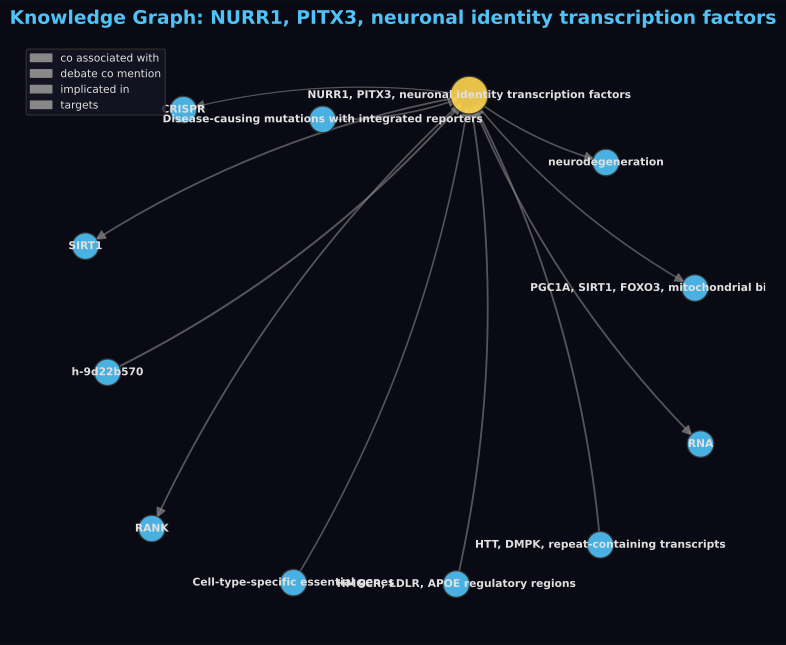
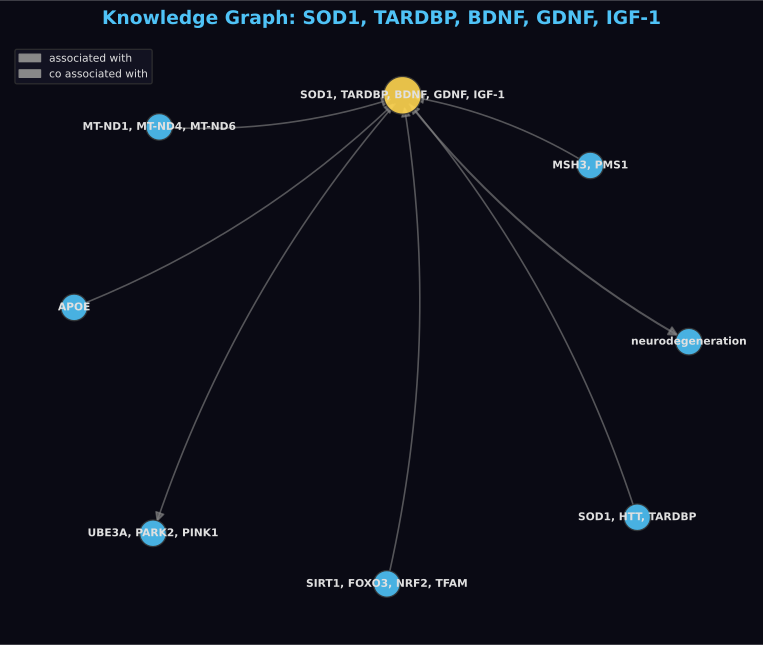
    MSH3, PMS1SOD1, TARDBP, BDNF, GDNF, IGF-1MSH3, PMS1SIRT1, FOXO3, NRF2, TFAMMSH3, PMS1UBE3A, PARK2, PINK1APOEMT-ND1, MT-ND4, MT-ND6MT-ND1, MT-ND4, MT-ND6SOD1, TARDBP, BDNF, GDNF, IGF-1MT-ND1, MT-ND4, MT-ND6SIRT1, FOXO3, NRF2, TFAMMT-ND1, MT-ND4, MT-ND6UBE3A, PARK2, PINK1SIRT1, FOXO3, NRF2, TFAMUBE3A, PARK2, PINK1MSH3, PMS1SOD1, HTT, TARDBPMT-ND1, MT-ND4, MT-ND6SOD1, HTT, TARDBPAPOESOD1, HTT, TARDBPSOD1, HTT, TARDBPSOD1, TARDBP, BDNF, GDNF, IGF-1SIRT1, FOXO3, NRF2, TFAMSOD1, HTT, TARDBPSOD1, HTT, TARDBPUBE3A, PARK2, PINK1SIRT1, FOXO3, NRF2, TFAMSOD1, TARDBP, BDNF, GDNF, IGF-1SOD1, TARDBP, BDNF, GDNF, IGF-1UBE3A, PARK2, PINK1Disease-causing mutations with integrated reportersNURR1, PITX3, neuronal identity transcription factorsNURR1, PITX3, neuronal identity transcription factorsPGC1A, SIRT1, FOXO3, mitochondrial biogenesis genesDisease-causing mutations with integrated reportersPGC1A, SIRT1, FOXO3, mitochondrial biogenesis genesCell-type-specific essential genesCRISPRPGC1A, SIRT1, FOXO3, mitochondrial biogenesis genesCRISPRNURR1, PITX3, neuronal identity transcription factorsCRISPRDisease-causing mutations with integrated reportersCRISPRCell-type-specific essential genesPGC1A, SIRT1, FOXO3, mitochondrial biogenesis genesCell-type-specific essential genesNURR1, PITX3, neuronal identity transcription factorsCell-type-specific essential genesDisease-causing mutations with integrated reporters

    co discussed (291)

    ▸ Show 286 more
    LDLRFOXO3BDNFFOXO3SIRT1FOXO3Cell-type-specific essential genesAPOE regulatory regionsCell-type-specific essential genesNURR1Cell-type-specific essential genesFOXO3Cell-type-specific essential genesPGC1ACell-type-specific essential genesBDNFCell-type-specific essential genesLDLRCell-type-specific essential genesHTTCell-type-specific essential genesSIRT1Cell-type-specific essential genesAPOECell-type-specific essential genesrepeat-containing transcriptsCell-type-specific essential genesPITX3Cell-type-specific essential genesDMPKCell-type-specific essential genessynaptic plasticity genesCell-type-specific essential genesCREB1Cell-type-specific essential genesHMGCRCell-type-specific essential genesmitochondrial biogenesis genesAPOE regulatory regionsNURR1APOE regulatory regionsFOXO3APOE regulatory regionsPGC1AAPOE regulatory regionsBDNFAPOE regulatory regionsLDLRAPOE regulatory regionsHTTAPOE regulatory regionsSIRT1APOE regulatory regionsAPOEAPOE regulatory regionsrepeat-containing transcriptsAPOE regulatory regionsPITX3APOE regulatory regionsDMPKAPOE regulatory regionssynaptic plasticity genesAPOE regulatory regionsCREB1APOE regulatory regionsHMGCRAPOE regulatory regionsmitochondrial biogenesis genesNURR1FOXO3NURR1PGC1ANURR1BDNFNURR1LDLRNURR1HTTNURR1SIRT1NURR1APOENURR1repeat-containing transcriptsNURR1PITX3NURR1DMPKNURR1synaptic plasticity genesNURR1CREB1NURR1HMGCRNURR1mitochondrial biogenesis genesFOXO3PGC1AFOXO3BDNFFOXO3LDLRFOXO3HTTFOXO3APOEFOXO3repeat-containing transcriptsFOXO3PITX3FOXO3DMPKFOXO3synaptic plasticity genesFOXO3CREB1FOXO3HMGCRFOXO3mitochondrial biogenesis genesPGC1ABDNFPGC1ALDLRPGC1AHTTPGC1ASIRT1PGC1AAPOEPGC1Arepeat-containing transcriptsPGC1APITX3PGC1ADMPKPGC1Asynaptic plasticity genesPGC1ACREB1PGC1AHMGCRPGC1Amitochondrial biogenesis genesBDNFLDLRBDNFHTTBDNFAPOEBDNFrepeat-containing transcriptsBDNFPITX3BDNFDMPKBDNFsynaptic plasticity genesBDNFHMGCRBDNFmitochondrial biogenesis genesLDLRHTTLDLRrepeat-containing transcriptsLDLRPITX3LDLRDMPKLDLRsynaptic plasticity genesLDLRCREB1LDLRHMGCRLDLRmitochondrial biogenesis genesHTTSIRT1HTTAPOEHTTrepeat-containing transcriptsHTTPITX3HTTDMPKHTTsynaptic plasticity genesHTTCREB1HTTHMGCRHTTmitochondrial biogenesis genesSIRT1APOESIRT1repeat-containing transcriptsSIRT1PITX3SIRT1DMPKSIRT1synaptic plasticity genesSIRT1CREB1SIRT1HMGCRSIRT1mitochondrial biogenesis genesAPOErepeat-containing transcriptsAPOEPITX3APOEDMPKAPOEsynaptic plasticity genesAPOECREB1APOEHMGCRAPOEmitochondrial biogenesis genesrepeat-containing transcriptsPITX3repeat-containing transcriptsDMPKrepeat-containing transcriptssynaptic plasticity genesrepeat-containing transcriptsCREB1repeat-containing transcriptsHMGCRrepeat-containing transcriptsmitochondrial biogenesis genesPITX3DMPKPITX3synaptic plasticity genesPITX3CREB1PITX3HMGCRPITX3mitochondrial biogenesis genesDMPKsynaptic plasticity genesDMPKCREB1DMPKHMGCRDMPKmitochondrial biogenesis genessynaptic plasticity genesCREB1synaptic plasticity genesHMGCRsynaptic plasticity genesmitochondrial biogenesis genesCREB1HMGCRCREB1mitochondrial biogenesis genesHMGCRmitochondrial biogenesis genesCell-type-specific essential genesneuronal identity transcription factorsCell-type-specific essential genesDisease-causing mutations with integrated reportersneuronal identity transcription factorsAPOE regulatory regionsneuronal identity transcription factorsNURR1neuronal identity transcription factorsFOXO3neuronal identity transcription factorsPGC1Aneuronal identity transcription factorsBDNFneuronal identity transcription factorsLDLRneuronal identity transcription factorsHTTneuronal identity transcription factorsSIRT1neuronal identity transcription factorsAPOEneuronal identity transcription factorsrepeat-containing transcriptsneuronal identity transcription factorsPITX3neuronal identity transcription factorsDMPKneuronal identity transcription factorssynaptic plasticity genesneuronal identity transcription factorsCREB1neuronal identity transcription factorsHMGCRneuronal identity transcription factorsmitochondrial biogenesis genesneuronal identity transcription factorsDisease-causing mutations with integrated reportersAPOE regulatory regionsDisease-causing mutations with integrated reportersNURR1Disease-causing mutations with integrated reportersFOXO3Disease-causing mutations with integrated reportersPGC1ADisease-causing mutations with integrated reportersBDNFDisease-causing mutations with integrated reportersLDLRDisease-causing mutations with integrated reportersHTTDisease-causing mutations with integrated reportersSIRT1Disease-causing mutations with integrated reportersAPOEDisease-causing mutations with integrated reportersrepeat-containing transcriptsDisease-causing mutations with integrated reportersPITX3Disease-causing mutations with integrated reportersDMPKDisease-causing mutations with integrated reporterssynaptic plasticity genesDisease-causing mutations with integrated reportersCREB1Disease-causing mutations with integrated reportersHMGCRDisease-causing mutations with integrated reportersmitochondrial biogenesis genesDisease-causing mutations with integrated reportersDLG4GRIA1DLG4RESTGRIA1RESTGRIA1SYPRESTSYN1RESTSYPSYN1SYPAPOE4DLG4BACE1DLG4BACE1GRIA1BDNFGRIA1NLRP3SOD1synaptic plasticity genesHTTsynaptic plasticity genesSIRT1synaptic plasticity genesLDLRsynaptic plasticity genesAPOE regulatory regionssynaptic plasticity genesFOXO3synaptic plasticity genesCell-type-specific essential genessynaptic plasticity genesAPOEsynaptic plasticity genesPITX3HMGCRNURR1HMGCRBDNFHMGCRHTTHMGCRSIRT1HMGCRLDLRHMGCRAPOE regulatory regionsHMGCRFOXO3HMGCRCell-type-specific essential genesHMGCRAPOEHMGCRPITX3NURR1APOE regulatory regionsNURR1Cell-type-specific essential genesBDNFAPOE regulatory regionsBDNFCell-type-specific essential genesHTTLDLRHTTAPOE regulatory regionsHTTFOXO3HTTCell-type-specific essential genesSIRT1LDLRSIRT1APOE regulatory regionsSIRT1Cell-type-specific essential genesLDLRAPOE regulatory regionsLDLRCell-type-specific essential genesAPOE regulatory regionsCell-type-specific essential genesFOXO3Cell-type-specific essential genesDMPKPGC1ADMPKrepeat-containing transcriptsDMPKNURR1DMPKBDNFDMPKHTTDMPKSIRT1DMPKLDLRDMPKAPOE regulatory regionsDMPKFOXO3DMPKCell-type-specific essential genesDMPKAPOEDMPKPITX3PGC1ANURR1PGC1AAPOE regulatory regionsPGC1AFOXO3PGC1ACell-type-specific essential genesCREB1repeat-containing transcriptsCREB1synaptic plasticity genesCREB1NURR1CREB1BDNFCREB1HTTCREB1SIRT1CREB1LDLRCREB1APOE regulatory regionsCREB1FOXO3CREB1Cell-type-specific essential genesCREB1APOECREB1PITX3repeat-containing transcriptsNURR1repeat-containing transcriptsBDNFrepeat-containing transcriptsHTTrepeat-containing transcriptsSIRT1repeat-containing transcriptsLDLRrepeat-containing transcriptsAPOE regulatory regionsrepeat-containing transcriptsFOXO3repeat-containing transcriptsCell-type-specific essential genesrepeat-containing transcriptsAPOEsynaptic plasticity genesNURR1synaptic plasticity genesBDNFHDACAPOEHDACLDLRmitochondrial biogenesis genesPITX3DMPKneuronal identity transcription factorsPGC1Aneuronal identity transcription factorsCREB1neuronal identity transcription factorsrepeat-containing transcriptsneuronal identity transcription factorssynaptic plasticity genesneuronal identity transcription factorsHMGCRneuronal identity transcription factorsDisease-causing mutations with integrated reportersNURR1Disease-causing mutations with integrated reportersBDNFDisease-causing mutations with integrated reportersHTTDisease-causing mutations with integrated reportersSIRT1Disease-causing mutations with integrated reportersLDLRDisease-causing mutations with integrated reportersAPOE regulatory regionsDisease-causing mutations with integrated reportersFOXO3Disease-causing mutations with integrated reportersCell-type-specific essential genesDisease-causing mutations with integrated reportersAPOEDisease-causing mutations with integrated reportersmitochondrial biogenesis genesDisease-causing mutations with integrated reportersneuronal identity transcription factorsDisease-causing mutations with integrated reportersPITX3NURR1neuronal identity transcription factorsBDNFneuronal identity transcription factorsHTTneuronal identity transcription factorsSIRT1neuronal identity transcription factorsLDLRneuronal identity transcription factorsAPOE regulatory regionsneuronal identity transcription factorsFOXO3neuronal identity transcription factorsAPOEneuronal identity transcription factorsmitochondrial biogenesis genesneuronal identity transcription factorsLDLRHDACAPOEHDACHDACHMGCR

    component of (1)

    drives (1)

    dysregulated in (1)

    encodes (1)

    generated (5)

    impaired in (1)

    implicated in (11)

    ▸ Show 6 more

    interacts with (34)

    ▸ Show 29 more
    repeat-containing transcriptsDMPKHMGCRLDLRHMGCRAPOE regulatory regionsLDLRHMGCRLDLRAPOE regulatory regionsAPOE regulatory regionsHMGCRAPOE regulatory regionsLDLRBDNFCREB1BDNFsynaptic plasticity genesCREB1BDNFCREB1synaptic plasticity genessynaptic plasticity genesBDNFsynaptic plasticity genesCREB1PGC1ASIRT1PGC1AFOXO3PGC1Amitochondrial biogenesis genesSIRT1PGC1ASIRT1mitochondrial biogenesis genesFOXO3PGC1AFOXO3mitochondrial biogenesis genesmitochondrial biogenesis genesPGC1Amitochondrial biogenesis genesSIRT1mitochondrial biogenesis genesFOXO3NURR1PITX3NURR1neuronal identity transcription factorsPITX3NURR1PITX3neuronal identity transcription factorsneuronal identity transcription factorsNURR1neuronal identity transcription factorsPITX3

    participates in (1)

    promotes (1)

    protects against (1)

    regulates (1)

    targets (25)

    ▸ Show 20 more

    Pathway Diagram

    Key molecular relationships — gene/protein nodes color-coded by type

    graph TD
        SDA_2026_04_02_gap_crispr["SDA-2026-04-02-gap-crispr-neurodegeneration-20260402"] -->|generated| h_3a4f2027["h-3a4f2027"]
        SDA_2026_04_02_gap_crispr_1["SDA-2026-04-02-gap-crispr-neurodegeneration-20260402"] -->|generated| h_a87702b6["h-a87702b6"]
        SDA_2026_04_02_gap_crispr_2["SDA-2026-04-02-gap-crispr-neurodegeneration-20260402"] -->|generated| h_29ef94d5["h-29ef94d5"]
        SDA_2026_04_02_gap_crispr_3["SDA-2026-04-02-gap-crispr-neurodegeneration-20260402"] -->|generated| h_827a821b["h-827a821b"]
        SDA_2026_04_02_gap_crispr_4["SDA-2026-04-02-gap-crispr-neurodegeneration-20260402"] -->|generated| h_e23f05fb["h-e23f05fb"]
        APOE4_mutation["APOE4 mutation"] -->|causes APOE4 C130| Alzheimer_s_pathology["Alzheimer's pathology"]
        PMS1["PMS1"] -->|causes PMS1 drive| CAG_repeat_expansion["CAG repeat expansion"]
        protein_aggregation["protein aggregation"] -->|causes protein ag| pathological_spreading["pathological spreading"]
        MSH3["MSH3"] -->|causes MSH3 drive| CAG_repeat_expansion_5["CAG repeat expansion"]
        prime_editing_conversion_["prime editing conversion of APOE4 to APOE3"] -->|causes converting| reduced_amyloid_plaque_bu["reduced amyloid plaque burden"]
        complex_I_deficiency["complex I deficiency"] -->|causes complex I| Parkinson_s_disease["Parkinson's disease"]
        CRISPRi_downregulation_of["CRISPRi downregulation of MSH3"] -.->|causes selective| CAG_repeat_stability["CAG repeat stability"]
        style SDA_2026_04_02_gap_crispr fill:#4fc3f7,stroke:#333,color:#000
        style h_3a4f2027 fill:#4fc3f7,stroke:#333,color:#000
        style SDA_2026_04_02_gap_crispr_1 fill:#4fc3f7,stroke:#333,color:#000
        style h_a87702b6 fill:#4fc3f7,stroke:#333,color:#000
        style SDA_2026_04_02_gap_crispr_2 fill:#4fc3f7,stroke:#333,color:#000
        style h_29ef94d5 fill:#4fc3f7,stroke:#333,color:#000
        style SDA_2026_04_02_gap_crispr_3 fill:#4fc3f7,stroke:#333,color:#000
        style h_827a821b fill:#4fc3f7,stroke:#333,color:#000
        style SDA_2026_04_02_gap_crispr_4 fill:#4fc3f7,stroke:#333,color:#000
        style h_e23f05fb fill:#4fc3f7,stroke:#333,color:#000
        style APOE4_mutation fill:#4fc3f7,stroke:#333,color:#000
        style Alzheimer_s_pathology fill:#ef5350,stroke:#333,color:#000
        style PMS1 fill:#4fc3f7,stroke:#333,color:#000
        style CAG_repeat_expansion fill:#4fc3f7,stroke:#333,color:#000
        style protein_aggregation fill:#4fc3f7,stroke:#333,color:#000
        style pathological_spreading fill:#4fc3f7,stroke:#333,color:#000
        style MSH3 fill:#4fc3f7,stroke:#333,color:#000
        style CAG_repeat_expansion_5 fill:#4fc3f7,stroke:#333,color:#000
        style prime_editing_conversion_ fill:#4fc3f7,stroke:#333,color:#000
        style reduced_amyloid_plaque_bu fill:#4fc3f7,stroke:#333,color:#000
        style complex_I_deficiency fill:#4fc3f7,stroke:#333,color:#000
        style Parkinson_s_disease fill:#ef5350,stroke:#333,color:#000
        style CRISPRi_downregulation_of fill:#4fc3f7,stroke:#333,color:#000
        style CAG_repeat_stability fill:#4fc3f7,stroke:#333,color:#000

    Figures & Visualizations (7)

    Pathway Diagrams (3)
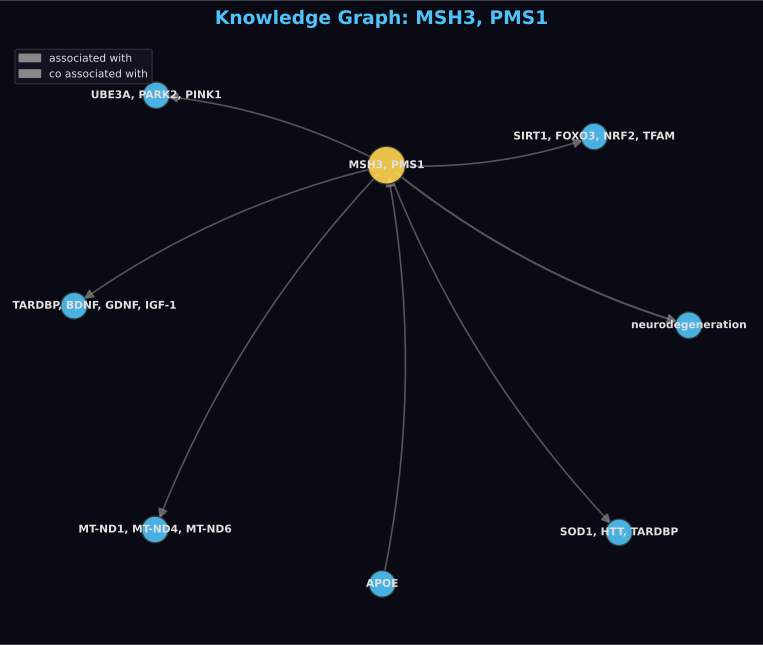
    pathway MSH3, PMS1

    pathway MSH3, PMS1

    pathway NURR1, PITX3, neuronal identity transcription factors

    pathway NURR1, PITX3, neuronal identity transcription factors

    pathway SOD1, TARDBP, BDNF, GDNF, IGF-1

    pathway SOD1, TARDBP, BDNF, GDNF, IGF-1

    Score Comparisons (1)

    score comparison

    score comparison

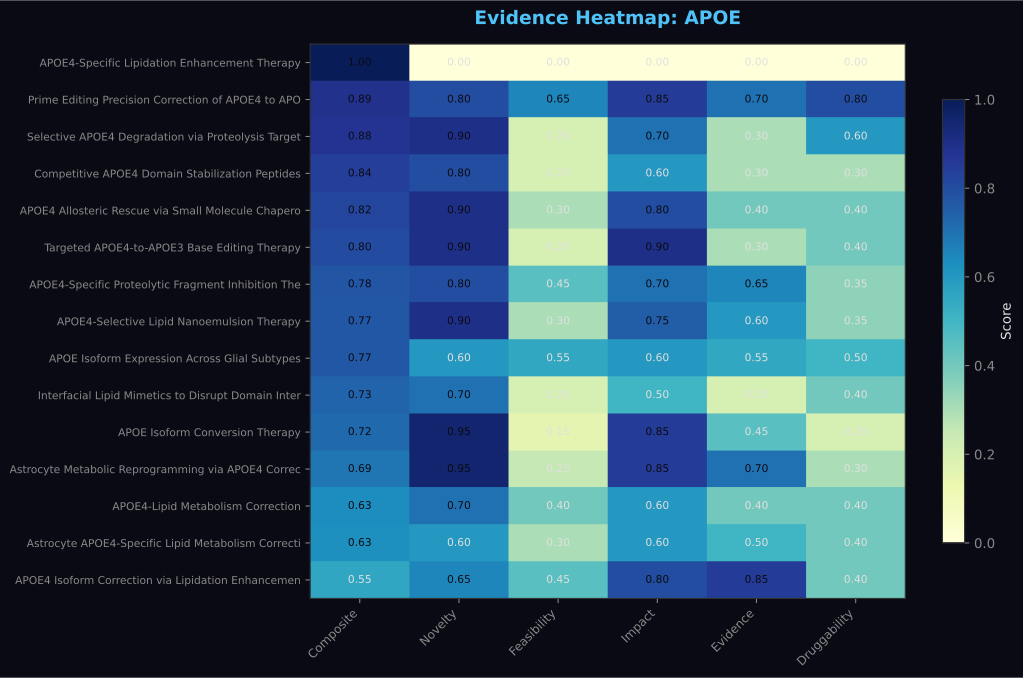
    Heatmaps (1)

    heatmap APOE

    heatmap APOE

    Debate Impact (2)

    debate overview

    debate overview

    debate impact

    debate impact

    Linked Wiki Pages (20)

    Entities from this analysis that have detailed wiki pages

    Brainstorm Therapeutics company Amyotrophic Lateral Sclerosis (ALS) disease Gap Analysis & Research Strategy gap Research Priorities in Neurodegenerative Disease gap Systemic Metabolic Dysfunction in ALS Progression gap Cleveland Clinic Lerner Research Institute institution John Ravits researcher BACE1 (Redirect) redirect BACE1 (Beta-Secretase 1) gene Beta-Secretase (BACE1) Protein protein BDNF Gene gene Osaka NeuroTherapeutics institution Brain-Derived Neurotrophic Factor (BDNF) protein CREB1 Gene gene CREB1 Protein protein CRISPR-Cas9 Gene Editing for Neurodegenerative Dis technology CRISPR Gene Editing in Neurodegeneration technology DLG4 Gene - PSD-95 gene DMPK Gene (Dystrophia Myotonica Protein Kinase) gene FOXO3 Gene gene

    Key Papers (10)

    ATTEC: a potential new approach to target proteinopathies.
    Autophagy 2020 · PMID: 31690177
    Precision genome editing using cytosine and adenine base editors in mammalian cells.
    Nature protocols 2021 · PMID: 33462442
    Quinovic Acid Impedes Cholesterol Dyshomeostasis, Oxidative Stress, and Neurodegeneration in an Amyloid-
    Oxidative medicine and cellular longevity 2020 · PMID: 33274012
    Long somatic DNA-repeat expansion drives neurodegeneration in Huntington's disease.
    Cell 2025 · PMID: 39824182
    Medicinal Chemistry and Chemical Biology of Nurr1 Modulators: An Emerging Strategy in Neurodegeneration.
    Journal of medicinal chemistry 2022 · PMID: 35797147
    Transformation: a tool for studying fungal pathogens of plants.
    Cellular and molecular life sciences : CMLS 2001 · PMID: 11814055
    Canagliflozin attenuates neurodegeneration and ameliorates dyskinesia through targeting the NLRP3/Nurr1/GSK-3β/SIRT3 pat
    International immunopharmacology 2025 · PMID: 39700958
    Transcriptional control of dopamine neuron development.
    Annals of the New York Academy of Sciences 2003 · PMID: 12846973
    [WALANT - Wide Awake Local Anaesthesia No Tourniquet: Complications in elective and acute traumatological Hand Surgery P
    Handchirurgie, Mikrochirurgie, plastische Chirurgie : Organ der Deutschsprachigen Arbeitsgemeinschaft fur Handchirurgie : Organ der Deutschsprachigen Arbeitsgemeinschaft fur Mikrochirurgie der Peripheren Nerven und Gefasse : Organ der V... 2022 · PMID: 35168268
    Modulating LRP1 Pathways in Alzheimer's Disease: Mechanistic Insights and Emerging Therapies.
    Molecular neurobiology 2026 · PMID: 41772271
    Standard analysis view → Full knowledge graph → Hypothesis Exchange →

    More Walkthroughs

    Walkthrough
    Cell type vulnerability in Alzheimers Disease (SEA-AD transcriptomic d
    What cell types are most vulnerable in Alzheimers Disease based on SEA-AD transcriptomic data from the Allen Brain Cell
    18 hypotheses 215 edges neurodegeneration
    Walkthrough
    What are the mechanisms by which gut microbiome dysbiosis influences P
    What are the mechanisms by which gut microbiome dysbiosis influences Parkinson's disease pathogenesis through the gut-br
    20 hypotheses 505 edges neurodegeneration
    Walkthrough
    Tau propagation mechanisms and therapeutic interception points
    Investigate prion-like spreading of tau pathology through connected brain regions, focusing on trans-synaptic transfer,
    15 hypotheses 136 edges neurodegeneration
    Walkthrough
    CRISPR-based therapeutic approaches for neurodegenerative diseases
    Evaluate the potential of CRISPR/Cas9 and related gene editing technologies for treating neurodegenerative diseases incl
    0 hypotheses 0 edges neurodegeneration
    Walkthrough
    Gene expression changes in aging mouse brain predicting neurodegenerat
    What gene expression changes in the aging mouse brain predict neurodegenerative vulnerability? Use Allen Aging Mouse Bra
    45 hypotheses 250 edges neurodegeneration
    Walkthrough
    Neuroinflammation and microglial priming in early Alzheimer's Disease
    Investigate mechanistic links between early microglial priming states, neuroinflammatory signaling, and downstream neuro
    14 hypotheses 108 edges neurodegeneration
    Walkthrough
    Senolytic therapy for age-related neurodegeneration
    Senolytics targeting p16/p21+ senescent astrocytes and microglia may reduce SASP-driven neuroinflammation.
    8 hypotheses 340 edges neurodegeneration
    Walkthrough
    Epigenetic reprogramming in aging neurons
    Investigate mechanisms of epigenetic reprogramming in aging neurons, including DNA methylation changes, histone modifica
    9 hypotheses 132 edges neurodegeneration
    Walkthrough
    Blood-brain barrier transport mechanisms for antibody therapeutics
    Anti-amyloid antibodies (lecanemab, donanemab) have ~0.1% brain penetrance. Engineering improved BBB transcytosis via tr
    7 hypotheses 246 edges neurodegeneration
    Walkthrough
    Circuit-level neural dynamics in neurodegeneration
    Analyze circuit-level changes in neurodegeneration using Allen Institute Neural Dynamics data. Focus on: (1) hippocampal
    67 hypotheses 111 edges neuroscience
    ← Back to all showcase analyses